World · World News Bureau
Unmanned agricultural aircraft pioneer autonomous aviation frontier
Autonomous crop-spraying drones are spearheading the development of pilot-free aircraft technology, demonstrating practical applications that could reshape aviation across the region.
LSN World News ·
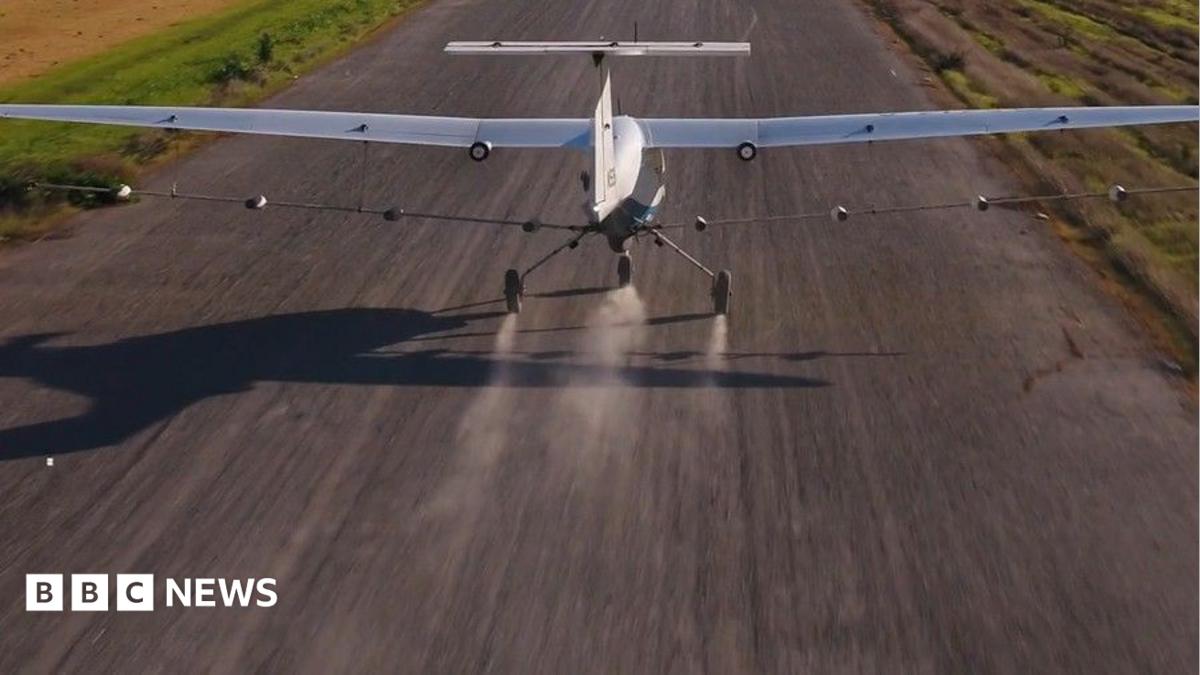
Unmanned agricultural aircraft are emerging as the vanguard of autonomous aviation, with crop-spraying operations proving the viability of aircraft that operate without pilots in the cockpit. These specialized drones have logged thousands of flight hours across agricultural zones, establishing reliable operational protocols that engineers are now examining for broader aviation applications.
The technology addresses critical challenges in precision agriculture while simultaneously advancing autonomous flight systems. Operators control these aircraft remotely or program them to follow predetermined flight paths, spraying pesticides and fertilizers with greater accuracy than traditional methods while reducing chemical waste and labor costs.
The success of agricultural drones has attracted attention from aviation authorities and technology developers exploring how autonomous systems might be adapted for other purposes. Industry analysts note that the controlled environment of farmland provides an ideal testing ground for safety protocols and regulatory frameworks that could eventually govern autonomous operations in more complex airspace.
While commercial aviation remains years away from adopting fully autonomous aircraft, the agricultural sector demonstrates that the technical foundation for pilot-free operations already exists. Continued refinement of these systems may accelerate the timeline for autonomous aviation across multiple sectors throughout South and Southeast Asia.