World · India Bureau
Unmeasured risks pose growing threat to institutional stability
Institutional blind spots towards risks that defy traditional measurement frameworks present a systemic vulnerability that demands urgent attention. Experts warn that the ease with which organisations overlook difficult-to-quantify threats creates dangerous gaps in risk management.
LSN India ·
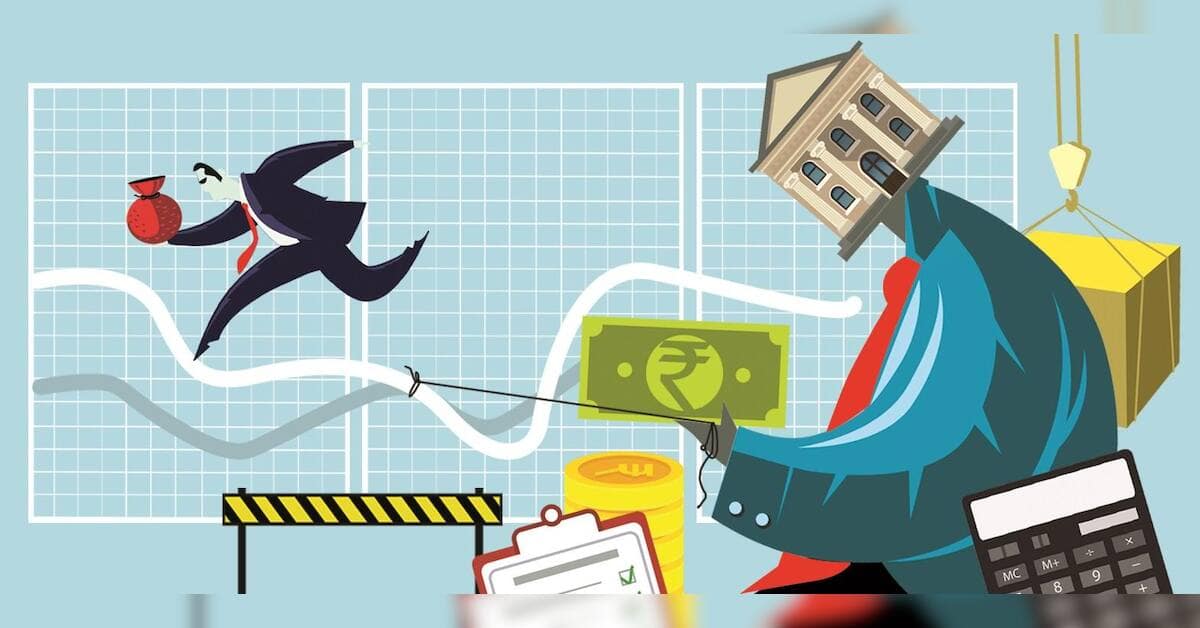
Risk management frameworks across institutions often rely on established metrics and categories, creating a structural vulnerability where unmeasured or difficult-to-categorise threats remain invisible to decision-makers. When risks fall outside conventional measurement parameters, institutions face the temptation to dismiss them entirely, treating absence of data as evidence of absence of danger.
This practice proves particularly hazardous because the most challenging risks to measure are frequently those that pose the greatest potential for systemic disruption. Emerging threats—whether technological, environmental, or market-related—often cannot be neatly fitted into legacy risk classification systems that institutions have relied upon for years. The result is a dangerous feedback loop where unmeasured risks are simultaneously undermanaged and underappreciated.
Institutions across India's financial, corporate, and public sectors increasingly recognise this vulnerability as markets become more complex and interconnected. Traditional risk categories prove insufficient in addressing novel threats that require novel approaches to assessment and mitigation. The gap between what institutions measure and what actually threatens their stability has widened considerably in recent years.
Addressing this challenge requires institutions to develop adaptive frameworks capable of identifying and evaluating risks that resist conventional measurement. Regulators and corporate boards must create explicit mechanisms for examining blind spots and taking seriously the risks that exist beyond established metrics. Without deliberate efforts to illuminate these hidden vulnerabilities, organisations remain exposed to precisely the threats they are least equipped to manage.