World · Singapore Bureau
Unstable glacial lakes threaten new floods in Nepal-Tibet border region
Search and rescue operations continue across Nepal and China following devastating floods that have claimed multiple lives and left around 1,500 people missing. Authorities warn of heightened risks from rapidly expanding glacial lakes that could rupture and trigger fresh flooding.
LSN Singapore ·
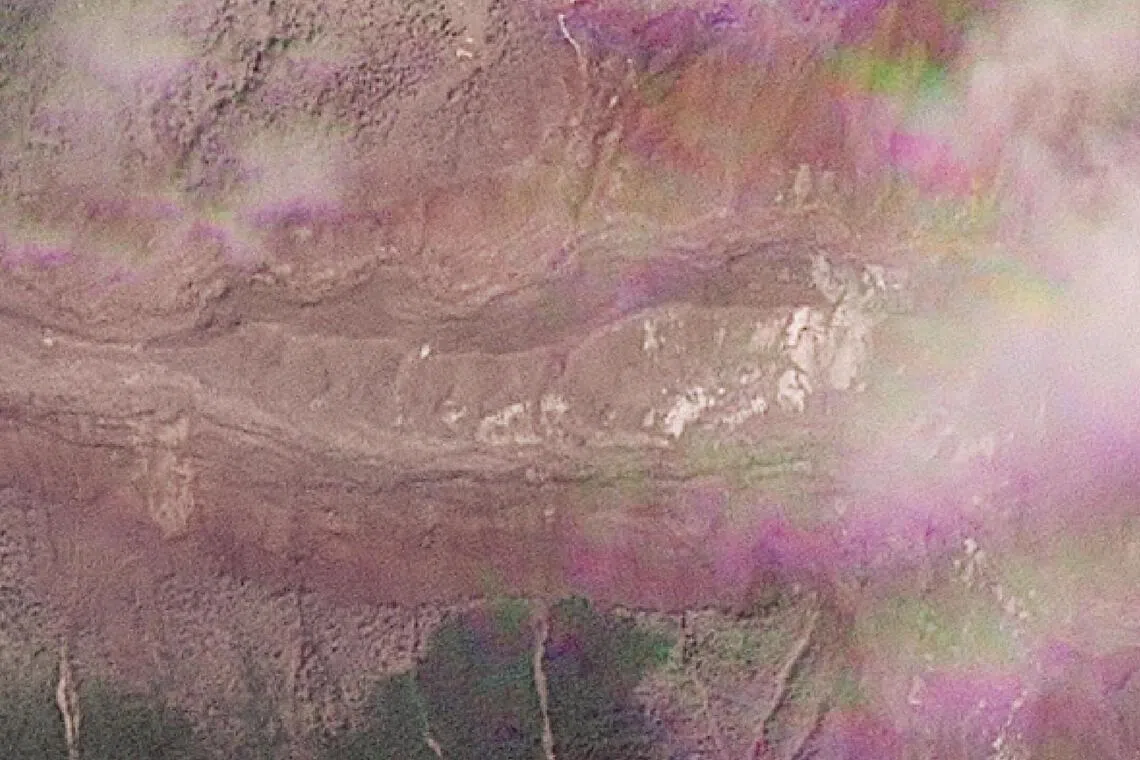
Rescue teams are intensifying efforts to locate the missing across Nepal and the Tibet region of China following catastrophic flooding that has devastated communities in both territories. The disaster was triggered by the collapse of glacial lakes and subsequent deluge of water that swept through valleys with little warning.
The immediate challenge facing authorities extends beyond the search operation. Satellite imagery and field assessments have identified dozens of unstable glacial lakes that continue to swell with meltwater, creating an unpredictable secondary threat. Scientists caution that these rapidly expanding bodies of water could breach their natural dams at any time, potentially unleashing another torrent of floodwaters across populated areas downstream.
Nepal and China have mobilised joint response teams to monitor the most dangerous lakes while simultaneously continuing evacuation and rescue efforts. Officials have established early warning systems in vulnerable valleys and are preparing contingency plans should additional lakes rupture. The region's challenging terrain and remote location have complicated logistics, with many affected communities accessible only by helicopter or on foot.
ExpertsAttribute the flooding to the combination of heavy monsoon rains and accelerated glacial melting linked to rising temperatures. Climate scientists warn that the Himalayas face an increasing risk of such catastrophic events as global warming continues to destabilise ancient ice formations and create conditions for more frequent and severe flooding incidents in the coming years.