World · India Bureau
Unwanted Touch Beyond Legal Definition Still Merits Attention
While not all instances of unwanted physical contact qualify as sexual harassment under legal definitions, experts argue that normalizing such behavior remains problematic. The distinction between legally actionable harassment and other forms of inappropriate touching requires closer societal examination.
LSN India ·
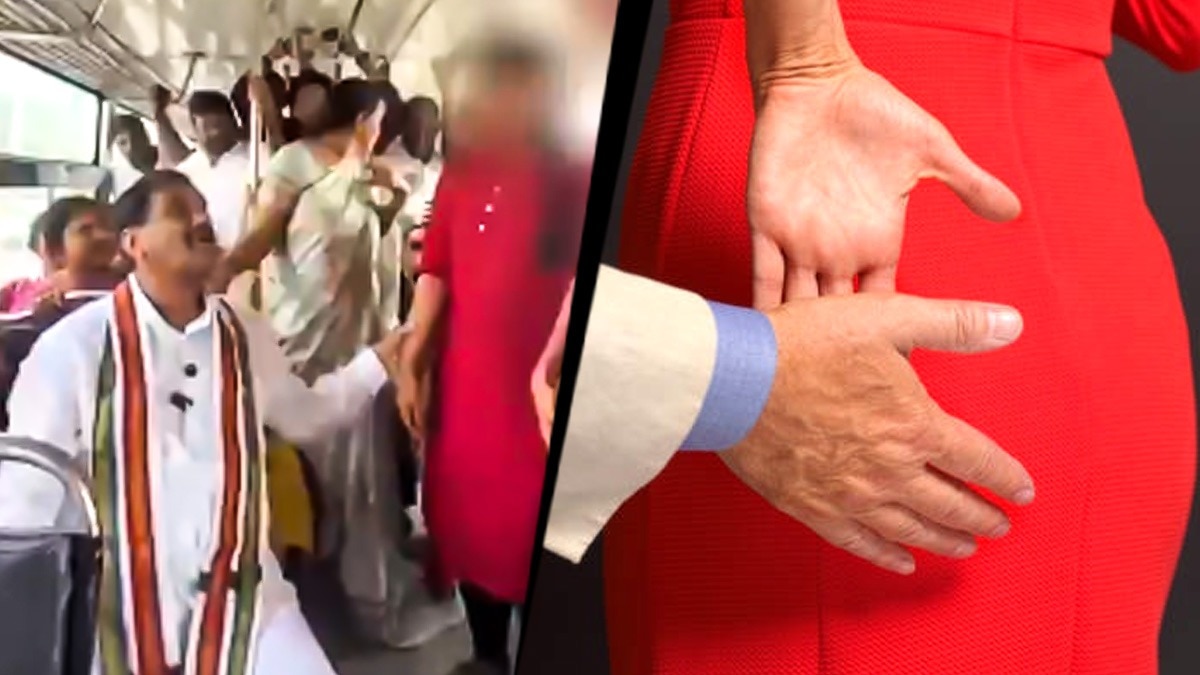
Discussions around physical boundaries and consent have intensified across India, yet a significant grey area persists between legally defined sexual harassment and other forms of unwanted touch. Legal frameworks typically establish specific thresholds for what constitutes harassment, creating situations where inappropriate contact may fall outside formal definitions while still violating personal boundaries and dignity.
Behavioral experts and social commentators increasingly emphasize that the absence of legal classification does not legitimize unwanted physical contact. Actions ranging from unsolicited touching to invasive personal space violations—while potentially not meeting statutory definitions—contribute to environments where consent is undervalued and personal autonomy is compromised.
The distinction matters for legal proceedings, but cultural attitudes must extend beyond courtroom standards. Workplaces, public spaces, and social settings benefit from frameworks that recognize and address uncomfortable or boundary-violating contact before situations escalate to legally actionable harassment. Such approaches encourage clearer communication around consent and establish community standards that prioritize respect.
Educational initiatives focused on understanding consent and personal boundaries are gaining traction in Indian institutions. Experts advocate for broader conversations that acknowledge the spectrum of unwanted touch, emphasizing that societal progress requires addressing uncomfortable encounters regardless of their legal classification. Building cultures that respect physical boundaries ultimately strengthens community safety and individual dignity across all contexts.