Politics · India Bureau
UP must ensure bail-granted undertrials are freed: Supreme Court
The Supreme Court has directed Uttar Pradesh to take responsibility for releasing undertrial prisoners who have been granted bail but remain incarcerated. Data shows that 106 of 264 bail-granted prisoners continue serving time due to financial constraints or lack of guarantors.
LSN India ·
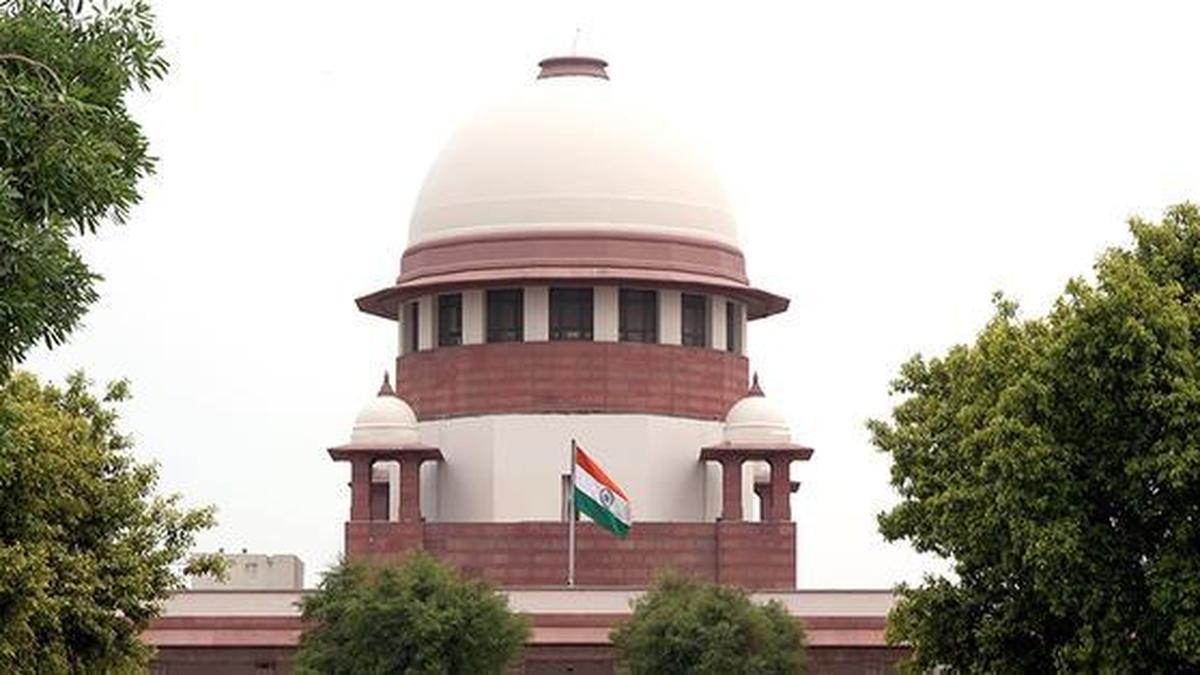
The Supreme Court has placed the onus on Uttar Pradesh authorities to ensure that undertrial prisoners granted bail are actually released from custody, highlighting systemic failures in the state's prison administration.
According to court observations, of 264 undertrial prisoners permitted bail, 106 remained incarcerated despite having obtained court orders for their release. The primary barriers to their freedom include inability to furnish financial security or arrange personal guarantors as mandated by bail conditions.
The apex court's directive underscores a critical gap between judicial orders and their implementation on the ground. When bail is granted but prisoners cannot afford to meet its financial or procedural requirements, they effectively remain imprisoned despite courts finding them eligible for release.
The ruling places responsibility squarely on the state administration to address these barriers, either through facilitating bail processes, providing legal assistance, or ensuring access to guarantor networks. This intervention reflects growing judicial concern over the plight of undertrials who languish in custody due to poverty rather than substantive legal grounds for detention.
The Supreme Court's action highlights broader concerns about India's undertrial population, where many prisoners spend years awaiting trial. State governments are increasingly being held accountable for converting bail grants into actual releases and preventing procedural obstacles from undermining judicial orders.