World · India Bureau
UPI MDR charges: What everyday users need to know
India's new Merchant Discount Rate rules will selectively apply to certain merchant transactions, though consumers can continue using UPI for routine payments without any charges.
LSN India ·
The Reserve Bank of India's new Merchant Discount Rate (MDR) framework will impact specific categories of merchant transactions on the Unified Payments Interface, but everyday users can breathe easy as consumer-to-consumer transactions remain free of charge.
Under the revised guidelines, MDR charges will apply to select merchant categories, marking a departure from the completely free payment environment that has characterised UPI since its launch. However, the changes are carefully calibrated to protect consumers from additional costs while addressing concerns about the sustainability of India's digital payments ecosystem.
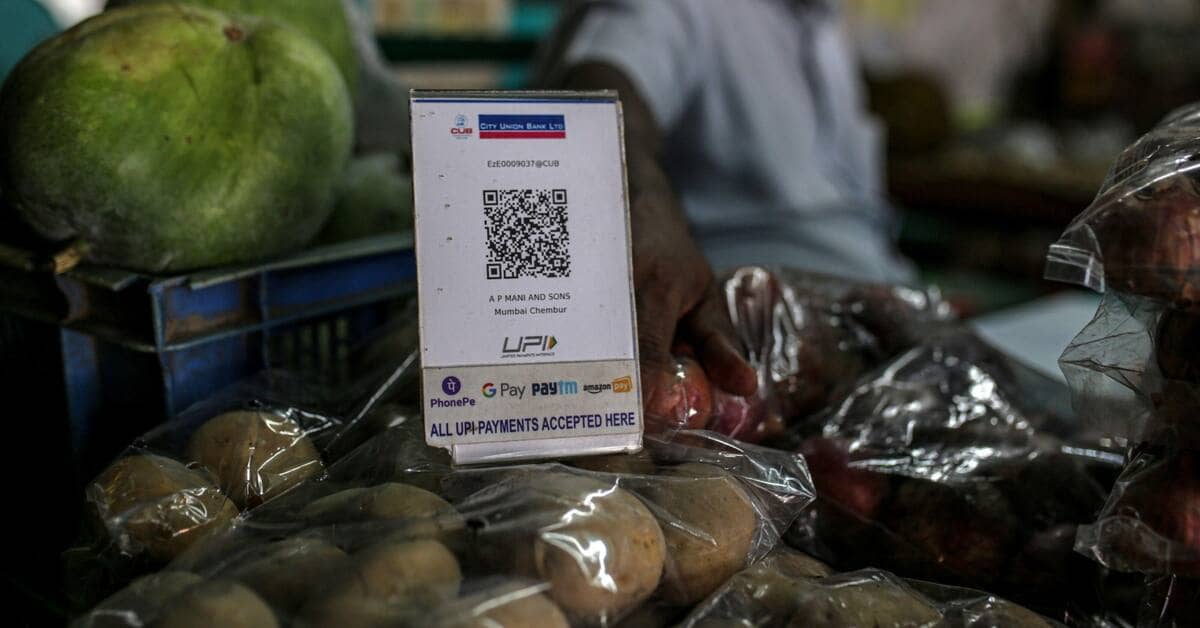
Consumers engaging in routine UPI transactions—including peer-to-peer transfers, QR code payments at small retailers, and AutoPay arrangements—will continue to transact without incurring any charges. The burden of MDR costs will fall on merchant categories identified by regulators, primarily affecting larger commercial establishments and specific business segments.
The move reflects a balancing act between maintaining UPI's accessibility for ordinary Indians while introducing cost-recovery mechanisms for the payment infrastructure. Financial institutions and fintech platforms have long sought clarity on sustainability models as UPI transaction volumes have soared to record levels.
Consumers should verify with their banks or payment service providers whether their specific transaction types fall under any newly applicable charges, though most daily payment activities will remain unaffected by the new framework.