Business · India Bureau
UPI MDR Plan Divides India's Fintech Industry Over Cost Impact
The proposed merchant discount rate for UPI transactions has sparked sharply divergent views within India's financial technology sector, with industry players split between sustainability concerns and merchant affordability.
LSN India ·
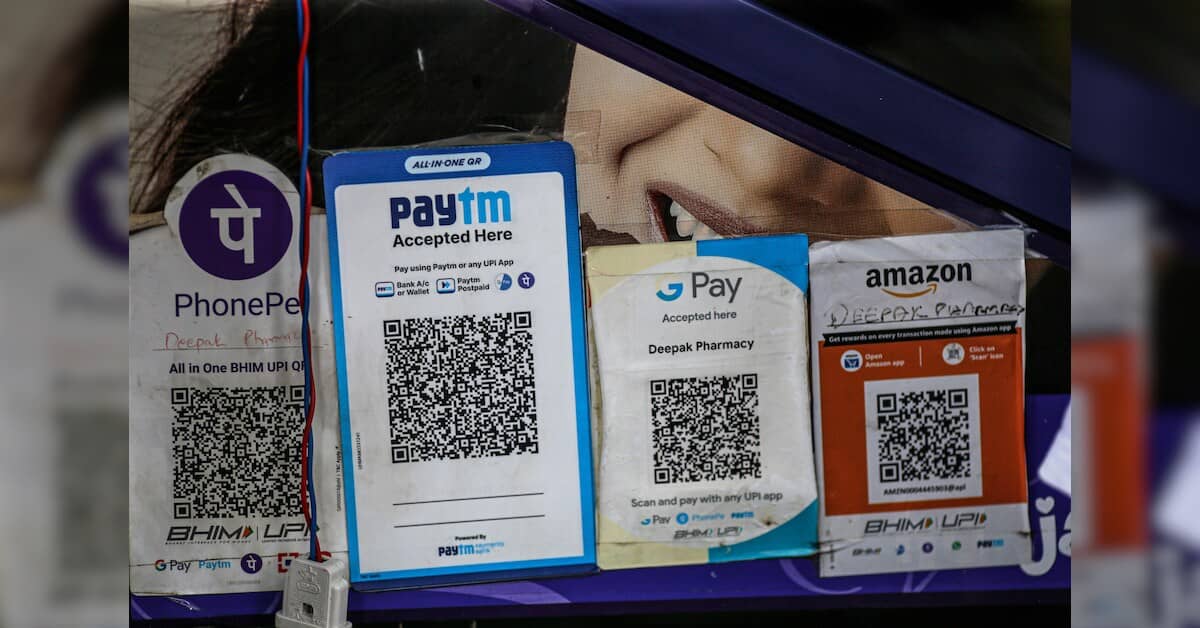
The introduction of a merchant discount rate (MDR) for UPI transactions has emerged as a contentious issue within India's fintech ecosystem, exposing fundamental disagreements about the digital payments landscape's future direction. While some major players argue the fee structure is essential for long-term operational sustainability, others contend the move could impose significant cost burdens on small merchants and businesses already operating on thin margins.
Proponents of the MDR framework emphasize that fintech companies require revenue streams beyond transaction volumes to maintain robust infrastructure and invest in technological advancement. They argue that the current zero-cost model for UPI has created unsustainable business conditions, making the fee introduction a necessary correction rather than a profit-maximization exercise.
Critics, however, view the proposal through a different lens, pointing to potential negative consequences for India's merchant community. Small traders and retailers, who have increasingly adopted UPI as a primary payment method, could face reduced competitiveness if forced to absorb transaction costs or pass them on to consumers. The concern extends to broader implications for digital payment adoption rates across smaller enterprises and rural markets.
Industry observers note that the debate reflects deeper questions about who should bear the costs of maintaining India's digital payment infrastructure. The resolution of this dispute could significantly shape the commercial viability and accessibility of UPI platforms going forward, making the outcome consequential for millions of businesses reliant on digital transactions.