Business · India Bureau
UPI merchant charges draw industry support but raise cost concerns
A proposed 0.4 per cent transaction charge on UPI payments above Rs 2,000 has gained backing from payments sector participants, though merchant groups warn the levy could squeeze margins and drive consumers back to cash.
LSN India ·
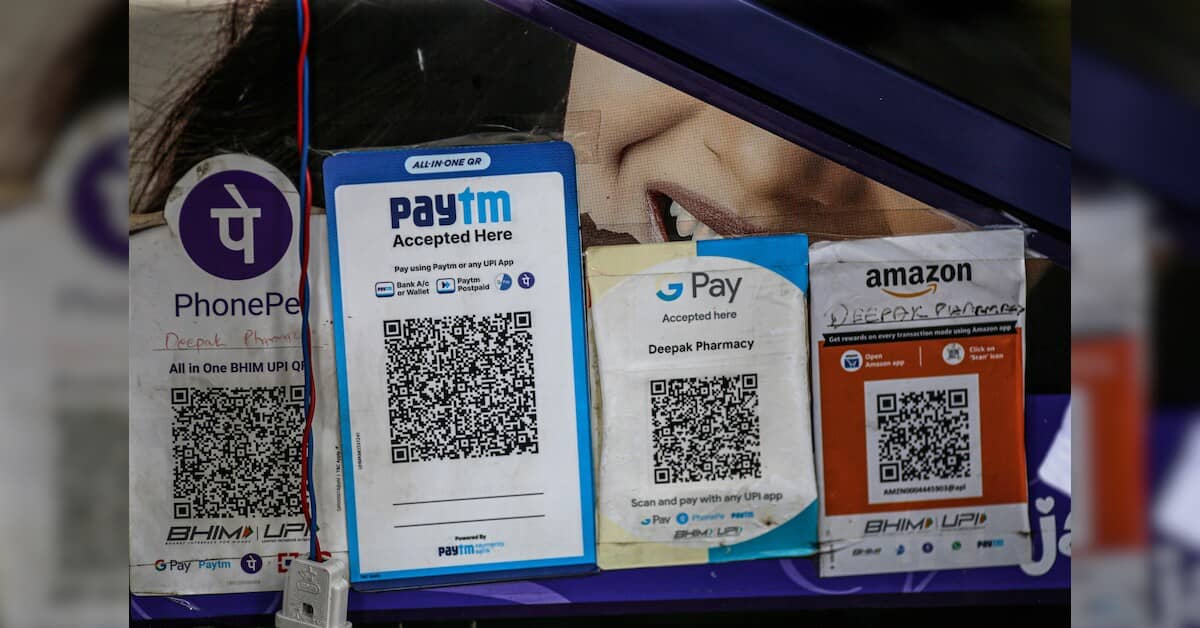
The Reserve Bank of India's framework for levying charges on merchant UPI transactions has found support among digital payments companies and fintech operators, marking a significant shift in the industry's approach to transaction economics.
Under the proposed structure, merchants would face a 0.4 per cent charge on UPI payments exceeding Rs 2,000, a threshold designed to protect small-value transactions. Industry analysts estimate the measure could generate approximately Rs 20,600 crore in annual revenue, addressing long-standing concerns about the sustainability of India's digital payments infrastructure.
However, retail and fuel distribution networks have expressed serious reservations about the impact on their operations. Merchant associations argue that the charges, when applied across high-value transactions, could substantially compress operating margins, particularly for retailers operating on thin profit lines. There is also concern that increased transaction costs may prompt merchants to incentivize cash payments or revert to traditional payment methods, potentially undermining the government's push toward digital economy expansion.
The competing interests highlight the complex balance required in India's payments evolution. While payments infrastructure providers argue the charges are essential for long-term sector viability and investment in technology, merchant representatives contend that cost burdens should not fall disproportionately on retailers already navigating margin pressures from multiple directions.
Stakeholders are expected to engage with regulators in coming weeks as the framework moves toward implementation, with particular focus on potential exemptions or tiered structures that could address merchant sector concerns while preserving the financial sustainability of UPI infrastructure.