Politics · India Bureau
UPSC marks centenary as India's premier civil service examination turns 100
The Union Public Service Commission, India's oldest and most prestigious competitive examination body, celebrates its centennial milestone this year. The institution's century-long history reflects India's evolution from colonial rule to democratic governance.
LSN India ·
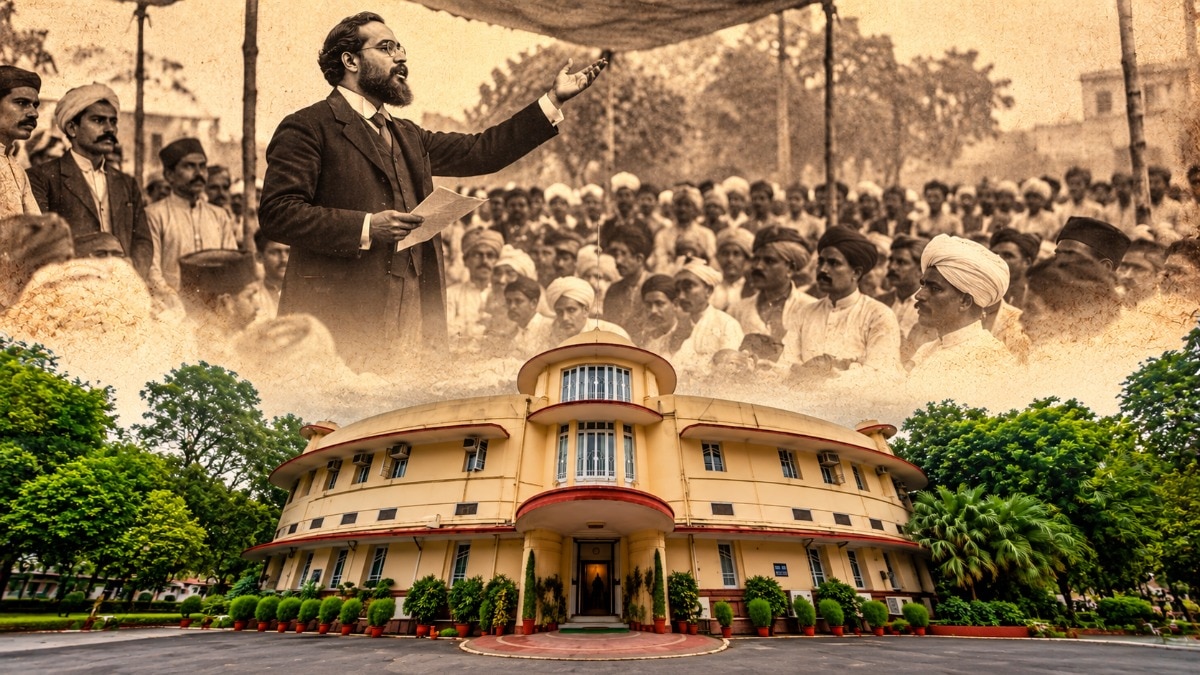
The Union Public Service Commission (UPSC) is marking 100 years of conducting India's most rigorous civil service examinations, a milestone that underscores the institution's pivotal role in shaping the nation's administrative structure. Established during the final decades of British rule, the UPSC predates India's independence and even the formation of the Indian National Congress as a political party.
The examination system was created to identify and recruit the most capable candidates for India's civil services, initially under colonial administration before transitioning to serve independent India's governance needs. For a century, the UPSC has maintained its reputation as the gold standard for selecting India's bureaucratic elite, with lakhs of aspirants competing annually for a handful of positions.
The centenary celebration reflects how institutional frameworks established during the independence struggle have endured and evolved to become cornerstones of India's democratic system. The UPSC's longevity demonstrates the examination's resilience and its continued relevance in identifying merit-based candidates for public service across generations.
Today, the commission conducts examinations for recruitment to the Indian Administrative Service, Indian Police Service, and various other All-India Services, alongside central government posts. The organisation's century-long journey encapsulates India's transition from colonial subject to sovereign republic, with the examination system adapting to serve successive eras of governance while maintaining its foundational commitment to merit-based selection.