World · India Bureau
Urban groundwater crisis deepens as aquifer levels plunge to alarming depths
A metropolitan area is grappling with severe groundwater depletion, with critically low water table measurements recorded across multiple localities. Experts warn that continued extraction at current rates threatens long-term water security for the region.
LSN India ·
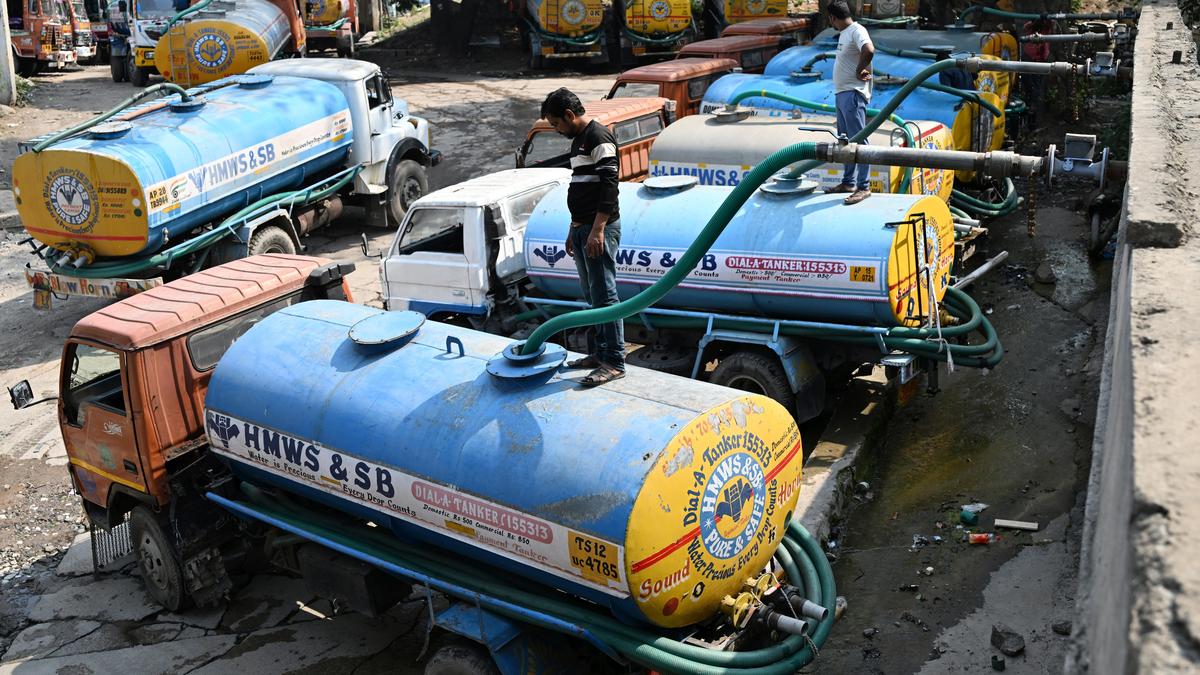
Groundwater levels have reached critically low depths in several areas of the city, triggering fresh concerns about the sustainability of the region's water supply. Monitoring data from localities including Bachupally and Ameerpet has revealed aquifer levels significantly below safe thresholds, indicating accelerated depletion of underground water resources that typically serve as a crucial buffer during seasonal shortages.
The precipitous decline in groundwater availability has been attributed to a combination of factors, including rapid urbanization, unregulated extraction for industrial and residential use, and insufficient groundwater recharge due to reduced green cover and impervious surfaces. Bore wells in affected areas are increasingly requiring deeper drilling to access water, a trend that underscores the severity of the depletion crisis.
Local water authorities have expressed concern over the mounting pressure on existing supplies as demand continues to outpace natural replenishment rates. Engineers and hydrologists have pointed to the need for immediate intervention through enhanced water conservation measures, stricter regulation of extraction activities, and investments in alternative water sources including recycled wastewater and rainwater harvesting systems.
The situation mirrors water stress conditions observed in other rapidly developing urban centers across South Asia, where groundwater resources face similar pressures from population growth and industrial expansion. Experts have called for coordinated policy responses involving stricter licensing of bore wells, mandatory water audits for high-consumption users, and long-term planning to reduce dependence on groundwater for non-essential purposes.