World · Singapore Bureau
Urban heat and density worsen air quality in Singapore's central zone
Singapore's central region is experiencing the poorest air quality during this year's haze season, with experts attributing the problem partly to high urbanisation and intensified urban heat effects.
LSN Singapore ·
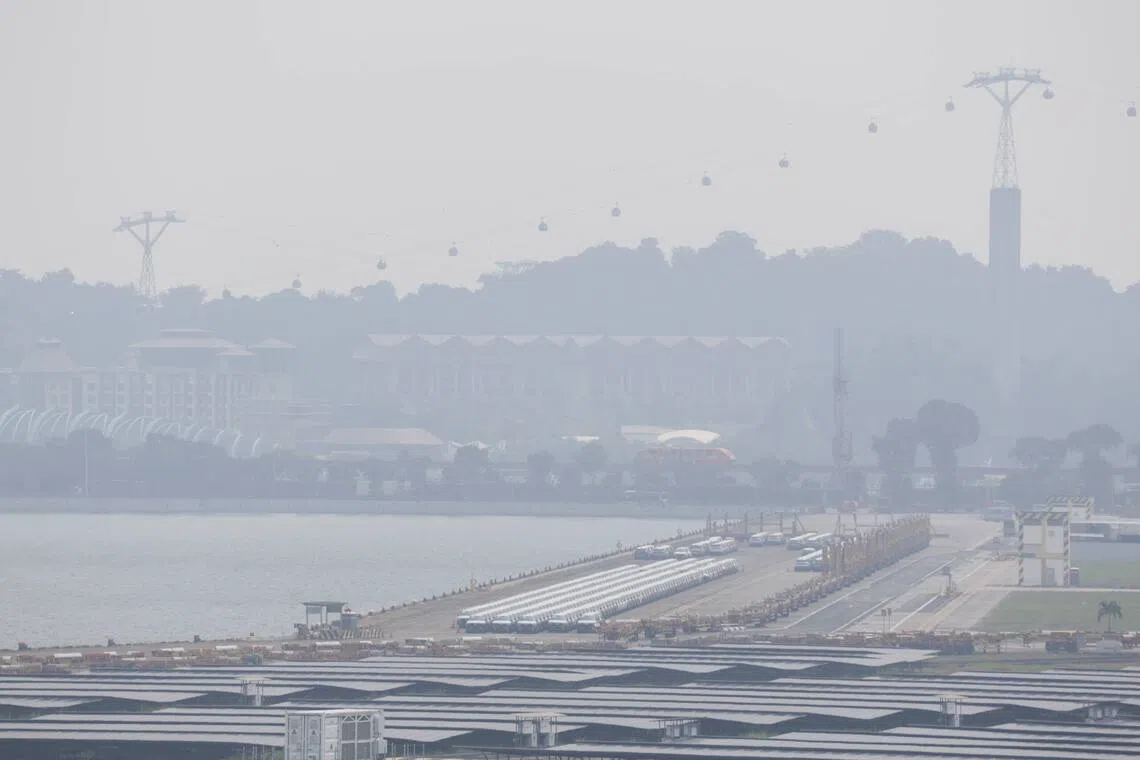
The central areas of Singapore are bearing the brunt of this year's haze, recording notably worse air quality compared to other parts of the island. Environmental scientists have identified urban development and the heat island effect as contributing factors to the concentration of pollutants in densely built-up zones.
The phenomenon is linked to how urbanised landscapes trap and concentrate air pollutants. High concentrations of buildings, vehicles, and industrial activity generate significant heat, which can alter local atmospheric conditions and affect pollutant dispersion patterns across the region.
Researchers note that the urban heat island effect—where cities experience higher temperatures than surrounding areas due to human activity and reduced vegetation—may be playing a role in exacerbating air quality issues. This elevated heat can influence wind patterns and the vertical mixing of air layers, potentially trapping pollutants closer to ground level.
The findings underscore the complex relationship between urban planning, climate, and air quality in densely populated areas. Authorities and environmental specialists are examining mitigation strategies to improve air circulation and reduce pollutant accumulation in central zones during haze periods.