World · India Bureau
Urban heat challenge: How wind patterns shape city temperatures
Wind flow plays a critical but often overlooked role in how cities experience heat, with slower air movement potentially intensifying the sensation of warmth in urban areas. Understanding this relationship could prove essential as Indian cities grapple with rising temperatures.
LSN India ·
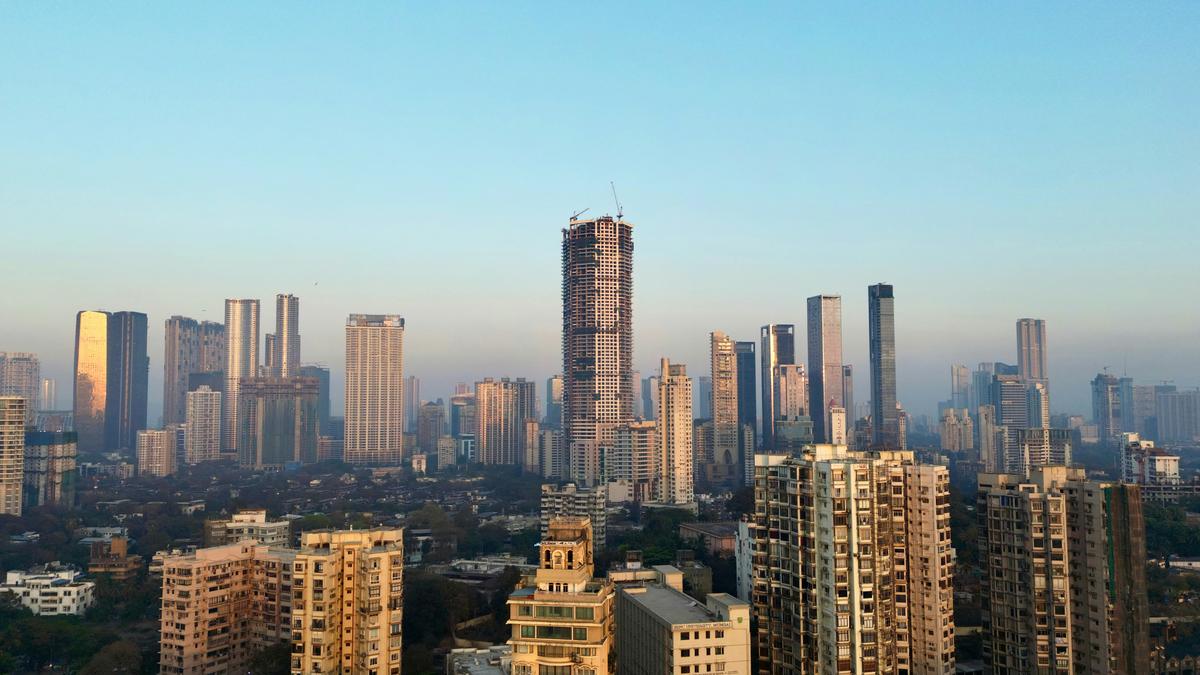
The way air circulates above ground has a significant impact on how heat is experienced in cities, according to climate research examining the mechanics of urban temperature regulation. Under normal atmospheric conditions, the air immediately above ground becomes saturated with water vapour released through evaporation. This moisture-laden air plays a crucial role in cooling mechanisms within urban environments.
When wind speeds increase, faster-moving air masses replace the saturated layer with drier air from surrounding regions, facilitating more effective evaporative cooling. This process helps moderate temperatures in built-up areas. Conversely, when wind speeds diminish, the reduction in air circulation constrains evaporation rates, limiting the natural cooling effect that moving air provides.
The implications are particularly relevant for Indian cities facing intensifying heat stress. Urban planners and environmental scientists increasingly recognize that managing wind corridors and air circulation patterns within metropolitan areas could complement other heat-mitigation strategies. The relationship between wind dynamics and thermal comfort suggests that building design, street layouts, and green infrastructure planning should prioritize maintaining adequate airflow.
As climate change pushes temperatures higher across South Asia, the factors affecting how cities experience and manage heat are coming under greater scrutiny. Slower winds, which can occur due to various atmospheric and geographical conditions, essentially trap heat-laden air in urban zones, potentially exacerbating the impact of rising baseline temperatures on residents and public health systems.