World · India Bureau
Urban Isolation Crisis: Rising Apartment Culture Weakens Social Bonds in Indian Cities
The death of a software engineer in a Noida high-rise has reignited concerns about growing isolation in India's metropolitan apartment complexes, where modern amenities mask deteriorating relationships and community connections.
LSN India ·
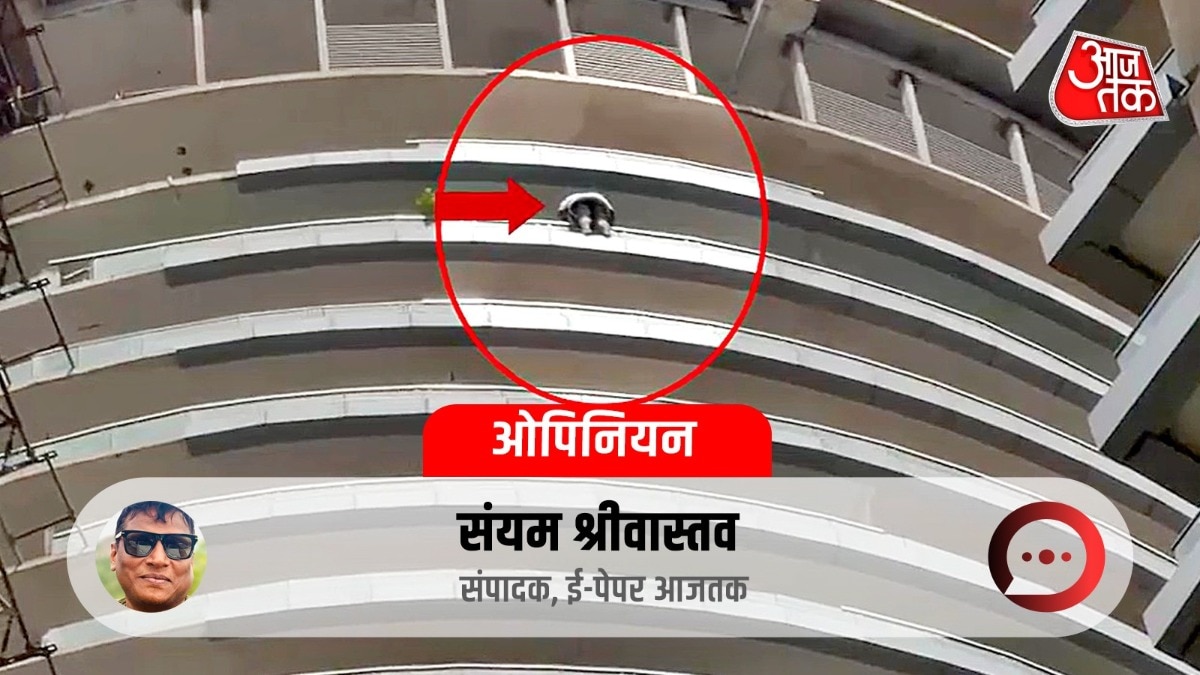
The tragic incident involving Sambhav Jain, a software engineer residing in Noida's Supernova building, has cast a spotlight on the darker consequences of rapid urbanization and the proliferation of apartment-based living across India's major cities. The case underscores a troubling paradox: as metropolitan areas expand vertically with gleaming residential towers offering state-of-the-art facilities, the human connections that once defined urban neighborhoods have grown increasingly fragile.
India's burgeoning middle class has embraced high-rise apartment living as a symbol of modernity and status, yet this architectural shift has fundamentally altered social dynamics. Behind closed apartment doors, residents remain physically proximate yet emotionally distant, with minimal interaction extending beyond immediate family units. The transition from traditional joint-family homes and street-level communities to gated residential complexes has severed many of the organic social support systems that previously existed within urban neighborhoods.
Expertspoint to the insular nature of apartment complexes as a contributing factor to rising mental health concerns in metropolitan India. The combination of demanding professional lifestyles, competitive work environments, and limited community engagement creates conditions where individuals—particularly young professionals—experience profound isolation despite living in densely populated urban centers. Many residents inhabit the same buildings for years without meaningful interaction with neighbors or participation in collective community life.
The incident has prompted renewed discussions among urban planners, mental health professionals, and civic authorities about the need for intentional community-building initiatives within residential complexes. Some advocate for redesigned common spaces, organized social activities, and awareness programs to foster genuine human connections. Others call for mental health support systems and counseling services tailored to the unique stressors of urban apartment dwellers, suggesting that addressing isolation requires both architectural and social interventions in India's rapidly evolving cities.