Politics · India Bureau
Urdu language faces existential crisis in Uttar Pradesh
Once celebrated as the language of Mughal courts and Indo-Islamic poetry, Urdu is experiencing a sharp decline in Uttar Pradesh amid shifting government priorities and reduced institutional support. Linguists and cultural advocates warn that without intervention, the language risks becoming a relic of India's syncretic heritage.
LSN India ·
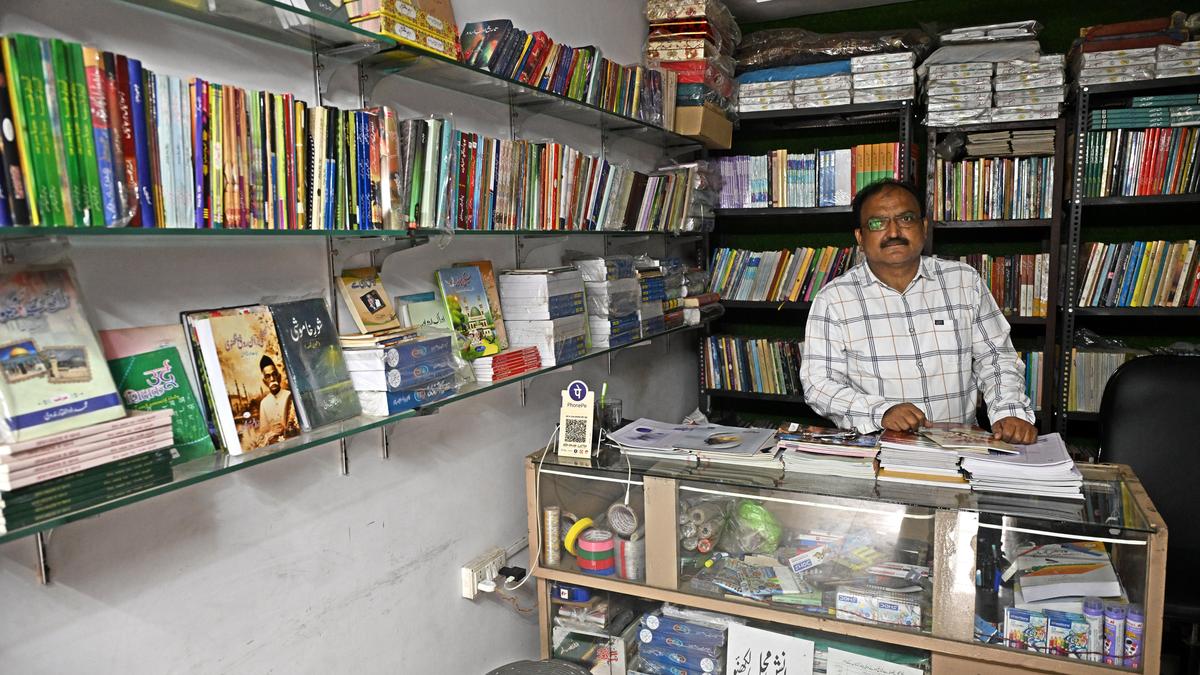
Uttar Pradesh, historically a bastion of Urdu culture and scholarship, is witnessing an alarming erosion of the language's presence in schools, public institutions, and daily discourse. The shift reflects broader changes in educational policy and government patronage that have deprioritized Urdu in favor of other languages, leaving educators and language enthusiasts struggling to preserve what they regard as a critical pillar of Indo-Islamic civilization.
Urdu's predicament extends beyond mere academic concern. The language, born from a synthesis of Persian, Arabic, Turkish, and indigenous Indian languages, represents centuries of cultural amalgamation and communal coexistence. Its decline threatens not only linguistic diversity but also threatens to sever connections to a rich literary and artistic tradition that produced some of South Asia's finest poetry, music, and theater.
Educators report declining enrollment in Urdu-medium schools and reduced curriculum hours for Urdu instruction in mixed-medium institutions. The withdrawal of government funding and administrative support has compounded these challenges, forcing private and community organizations to shoulder the burden of language preservation with limited resources.
Cultural advocates argue that the decline of Urdu represents a broader erosion of India's pluralistic traditions. They contend that the language's survival is intrinsically linked to fostering communal harmony and maintaining the subcontinent's cultural legacy. Without deliberate efforts to revive institutional support and popular interest, they warn, an entire linguistic tradition faces the prospect of gradual extinction within a generation.