World · World News Bureau
US and China fail to bridge deepening strategic divide
Efforts to forge a comprehensive agreement between Washington and Beijing continue to stall as fundamental differences persist over trade, technology, and regional security. Analysts warn the absence of a stabilizing framework raises risks of escalation across multiple domains.
LSN World News ·
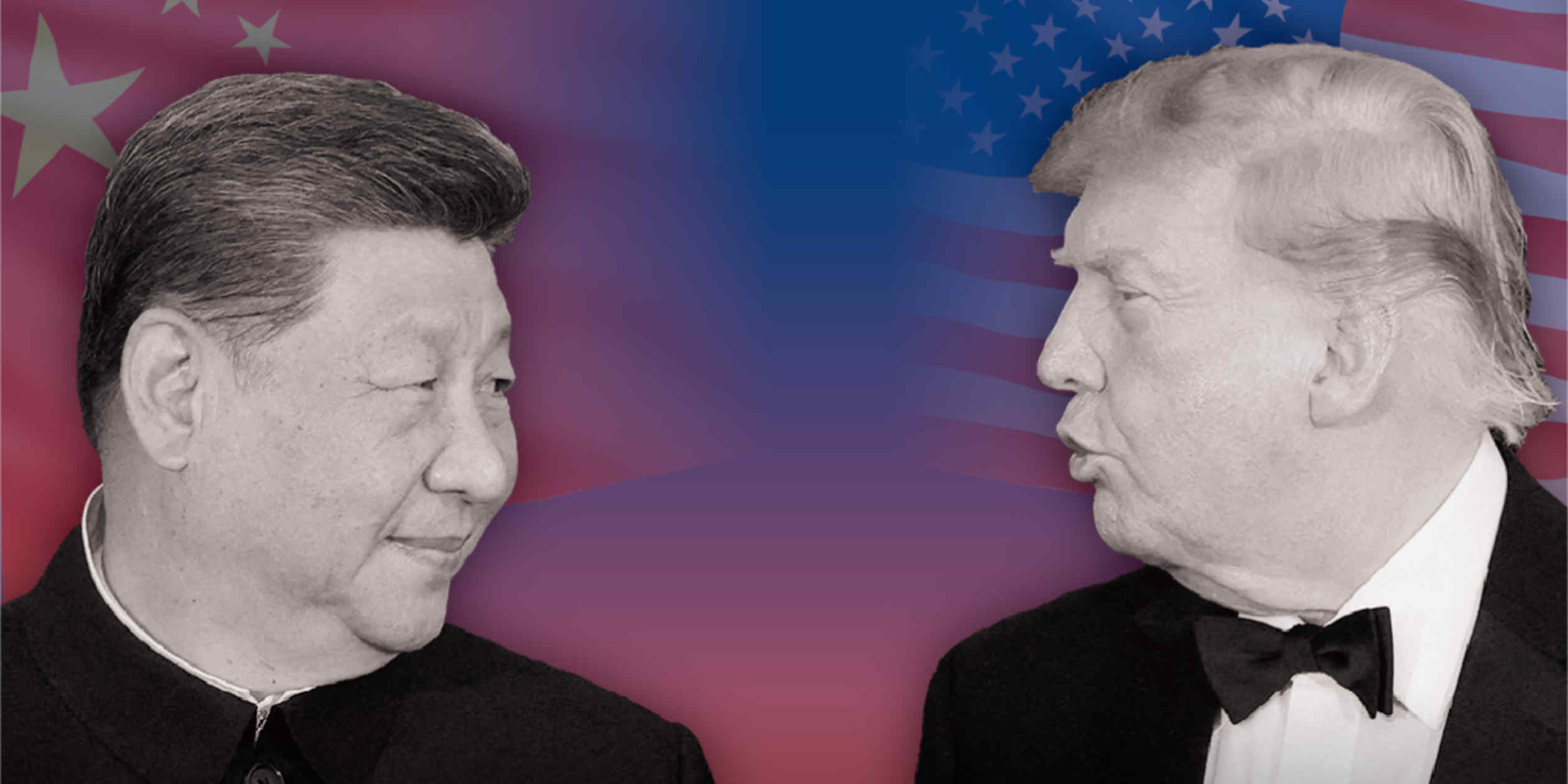
Negotiations between the United States and China have made little headway in recent months, with both powers remaining far apart on the key issues that would form the basis of any grand bargain between the world's two largest economies.
The impasse reflects deep structural tensions that neither side appears willing to substantially compromise on. American concerns over intellectual property theft, forced technology transfer, and market access clash with Chinese assertions of sovereign development rights. Meanwhile, disagreements over Taiwan, the South China Sea, and regional military posturing have become increasingly intractable.
Diplomats from both nations continue routine communications channels, but observers acknowledge that the narrow window for a transformative agreement has narrowed considerably. The competing visions for regional order and technological dominance suggest that managed competition rather than cooperation will likely define the bilateral relationship in the near term.
Without a stabilizing framework, analysts caution that miscalculation risks remain elevated across trade, military, and cyber domains. Regional powers, particularly in Southeast Asia, face uncertainty as they navigate their strategic positioning between the two superpowers amid the ongoing standoff.
Both Washington and Beijing have indicated willingness to engage in dialogue, though recent rhetoric suggests each side views the other as unwilling to make necessary concessions on core interests.