World · World News Bureau
US and Iran escalate tanker attacks in strategic Strait of Hormuz
The United States and Iran are locked in an escalating confrontation over shipping in the Strait of Hormuz, with both sides targeting commercial vessels in a bid to assert control over one of the world's most critical maritime chokepoints. The months-long conflict raises questions about the trajectory of US-Iran tensions and the security of global energy supplies.
LSN World News ·
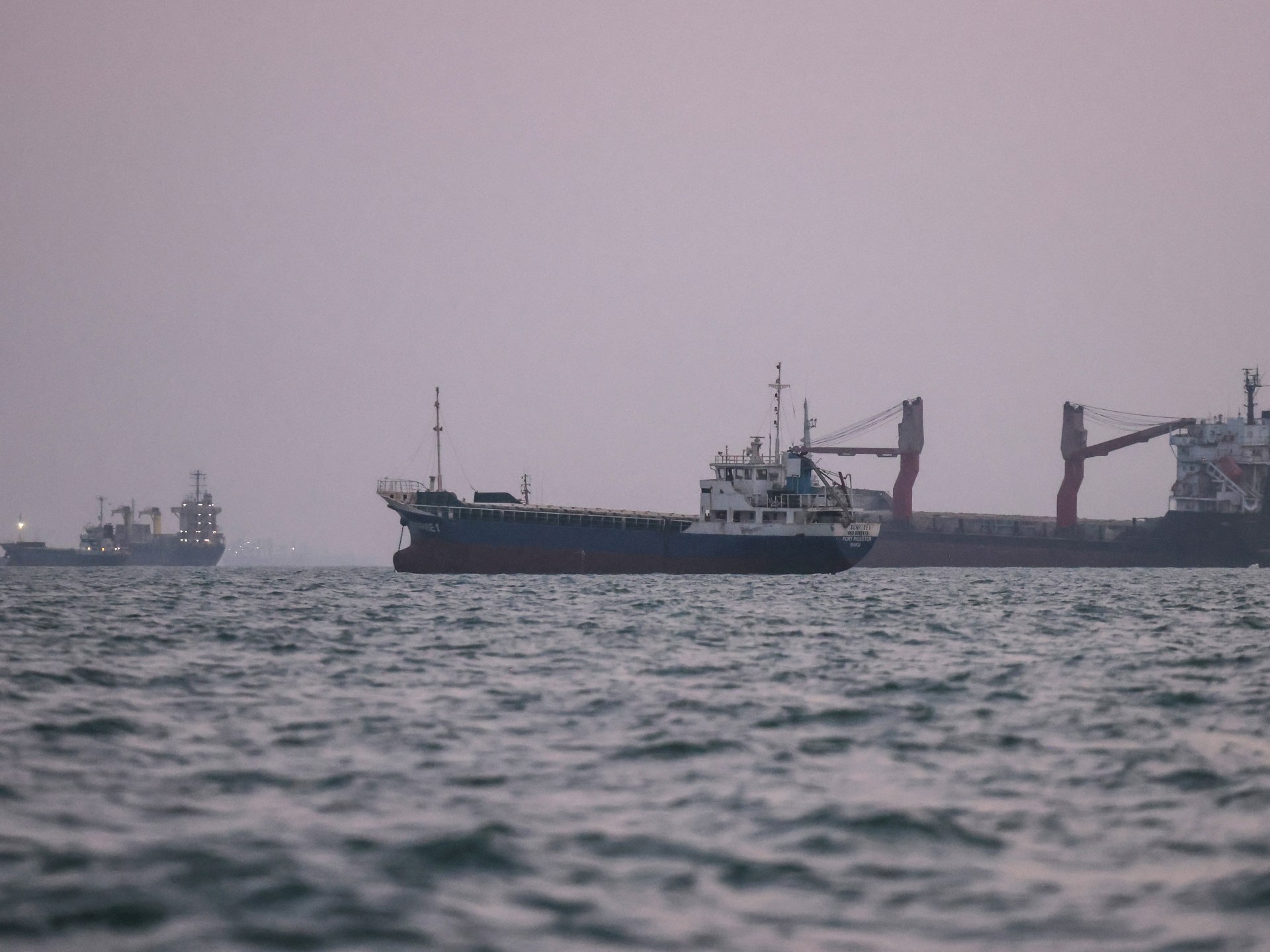
Tanker traffic through the Strait of Hormuz, which connects the Persian Gulf to the Gulf of Oman, has become increasingly perilous as the US and Iran pursue competing strategic interests in the waterway. The attacks on commercial shipping represent an extension of broader tensions between Washington and Tehran, transforming the 21-mile-wide passage into a flashpoint for direct military confrontation. Both nations have accused the other of initiating hostile actions, creating an environment of mutual recrimination and escalating risk.
The significance of the Strait of Hormuz to global energy security cannot be overstated, with roughly one-third of the world's seaborne oil trade passing through its waters. Any sustained disruption to shipping through the channel threatens to raise energy prices globally and destabilize regional commerce. Merchant vessels transiting the route now face heightened insurance costs and operational risks, with shipping companies adjusting routes and protocols to mitigate exposure to the conflict.
The trajectory of the tanker war remains uncertain as diplomatic avenues appear limited. Military and political analysts are closely monitoring whether the current pattern of attacks represents a stable equilibrium or a prelude to further escalation. International maritime organizations have urged all parties to respect the freedom of navigation and international maritime law, though enforcement mechanisms remain weak in the context of direct US-Iran competition for regional influence.
The ongoing confrontation underscores the fragility of security arrangements in the Gulf region and the vulnerability of critical infrastructure to asymmetric conflict tactics. Without meaningful de-escalation efforts, observers warn that the tanker war could expand into a broader regional conflagration with consequences extending far beyond the immediate maritime domain.