World · World News Bureau
US backlash against data centers threatens Asian tech suppliers
Growing opposition to artificial intelligence data centers across American communities is creating headwinds for Asian semiconductor and infrastructure suppliers who have positioned themselves as key beneficiaries of the AI boom.
LSN World News ·
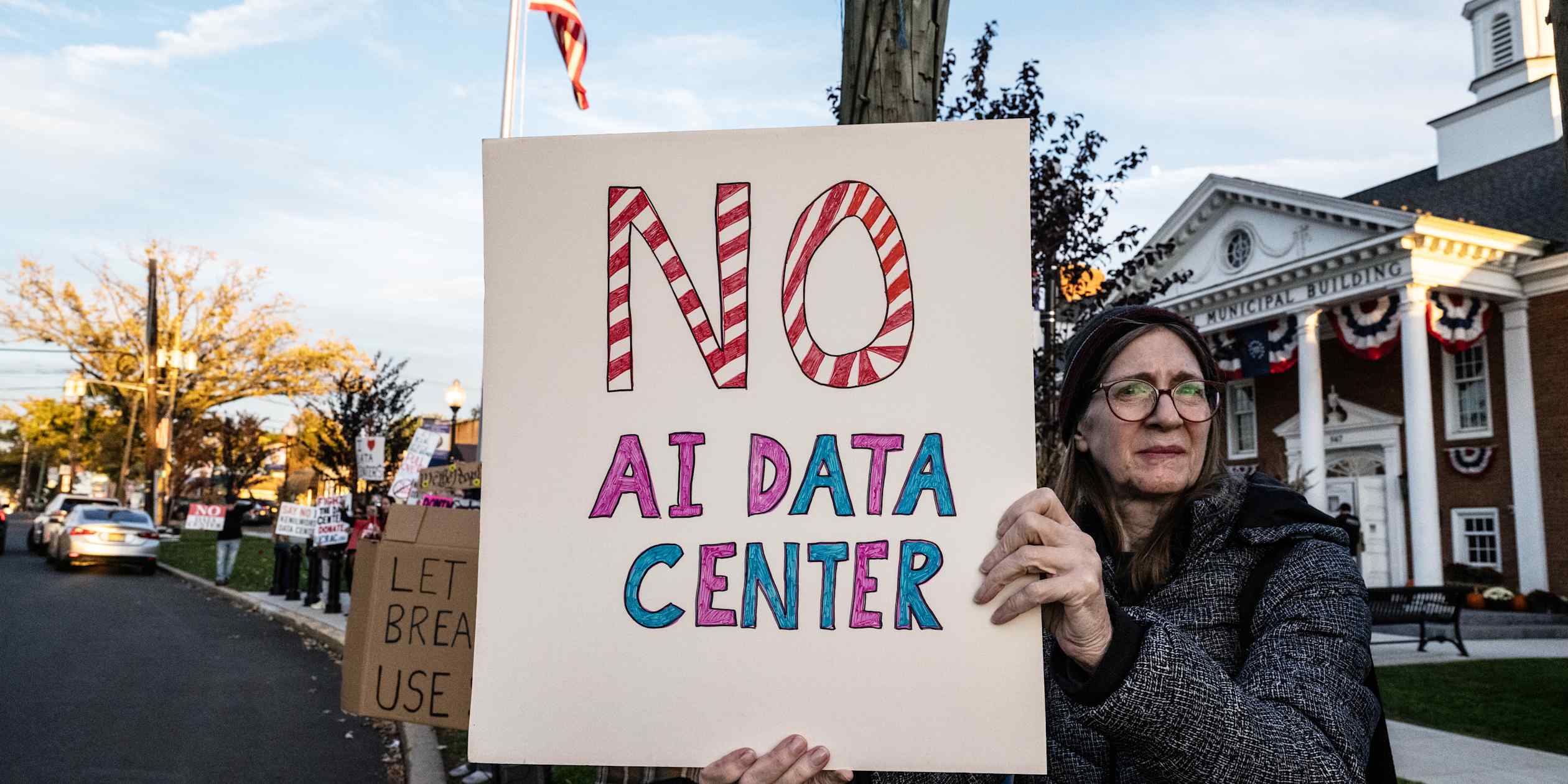
Mounting concerns about energy consumption, environmental impact, and community disruption from data center construction are reshaping the landscape for technology suppliers across Asia who have bet heavily on US demand. Several US states and municipalities have begun imposing restrictions or moratoriums on new data center projects, complicating expansion plans for major cloud computing providers that rely on equipment manufactured and sourced from South and Southeast Asian manufacturers.
The resistance reflects broader anxieties about the sustainability of rapidly scaling AI infrastructure. Communities have raised objections regarding water usage for cooling systems, increased electrical demands on regional power grids, and land use conflicts. These concerns have prompted lawmakers in states including Virginia, North Carolina, and others to scrutinize new facility approvals more carefully, potentially slowing the deployment pace that Asian suppliers had anticipated.
For companies across Asia's semiconductor, electrical components, and infrastructure sectors, the slowdown represents a significant deviation from growth forecasts. Many had ramped production and investment assuming sustained demand from North American data center buildouts. The regulatory uncertainty may compel some suppliers to diversify markets or adjust capacity planning, potentially affecting employment and investment strategies throughout the region.
Industry analysts suggest the backlash may ultimately accelerate development of data centers in alternative locations, including Asia itself, as companies seek to circumvent US opposition. However, the near-term effect appears to be dampening the explosive growth trajectory that had characterized demand from American technology firms seeking to meet AI computing requirements.