Politics · Singapore Bureau
US-China rivalry structural, nations must build strategic resilience
A former US Treasury official has warned that competition between Washington and Beijing is rooted in fundamental geopolitical differences, requiring both powers to invest in economic resilience. While the two countries will increasingly decouple in strategic sectors, complete trade severance remains unlikely as both seek to manage costs.
LSN Singapore ·
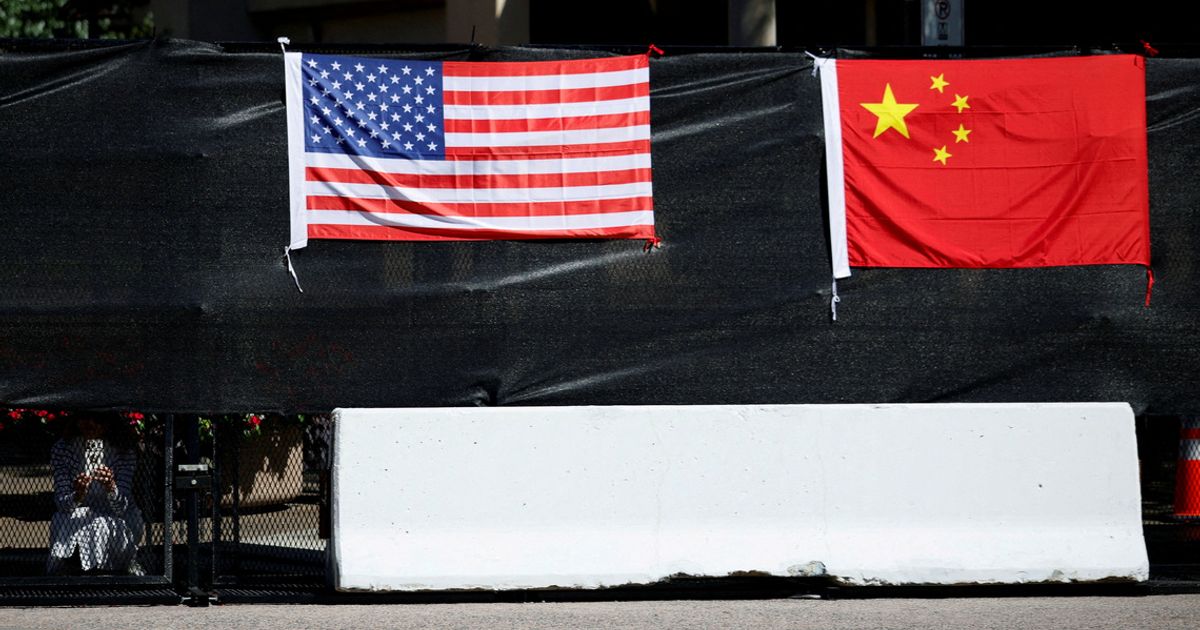
Competition between the United States and China reflects deep-seated structural differences rather than cyclical tensions, according to analysis from a former senior Treasury Department official. This assessment underscores the need for both nations to strengthen their strategic and economic resilience as they navigate an extended period of heightened rivalry.
The official's remarks suggest that the current US-China relationship will be characterised by selective decoupling in critical industries including semiconductors, defence technology, and advanced manufacturing. However, both countries are expected to maintain broader trade relationships where mutually beneficial, as neither can afford the full economic costs of complete isolation.
For regional economies like Singapore, the implications are significant. The continued bifurcation of global supply chains and technology standards will require businesses to develop greater flexibility and diversification strategies. Singapore and other Southeast Asian nations are increasingly positioned as potential beneficiaries or shock absorbers in this evolving landscape, as companies seek to reduce dependency on either superpower.
The analysis reflects growing consensus among policymakers that managing US-China competition will be a defining feature of international relations for the foreseeable future, rather than a temporary phase. This reality is prompting governments across the region to pursue balanced diplomatic approaches while strengthening their own economic competitiveness and institutional capacity.