World · World News Bureau
US clean-energy sector faces disruption from China equipment restrictions
New restrictions on equipment linked to Chinese manufacturers are creating supply chain challenges for American renewable energy projects, threatening expansion of solar and wind installations across the country.
LSN World News ·
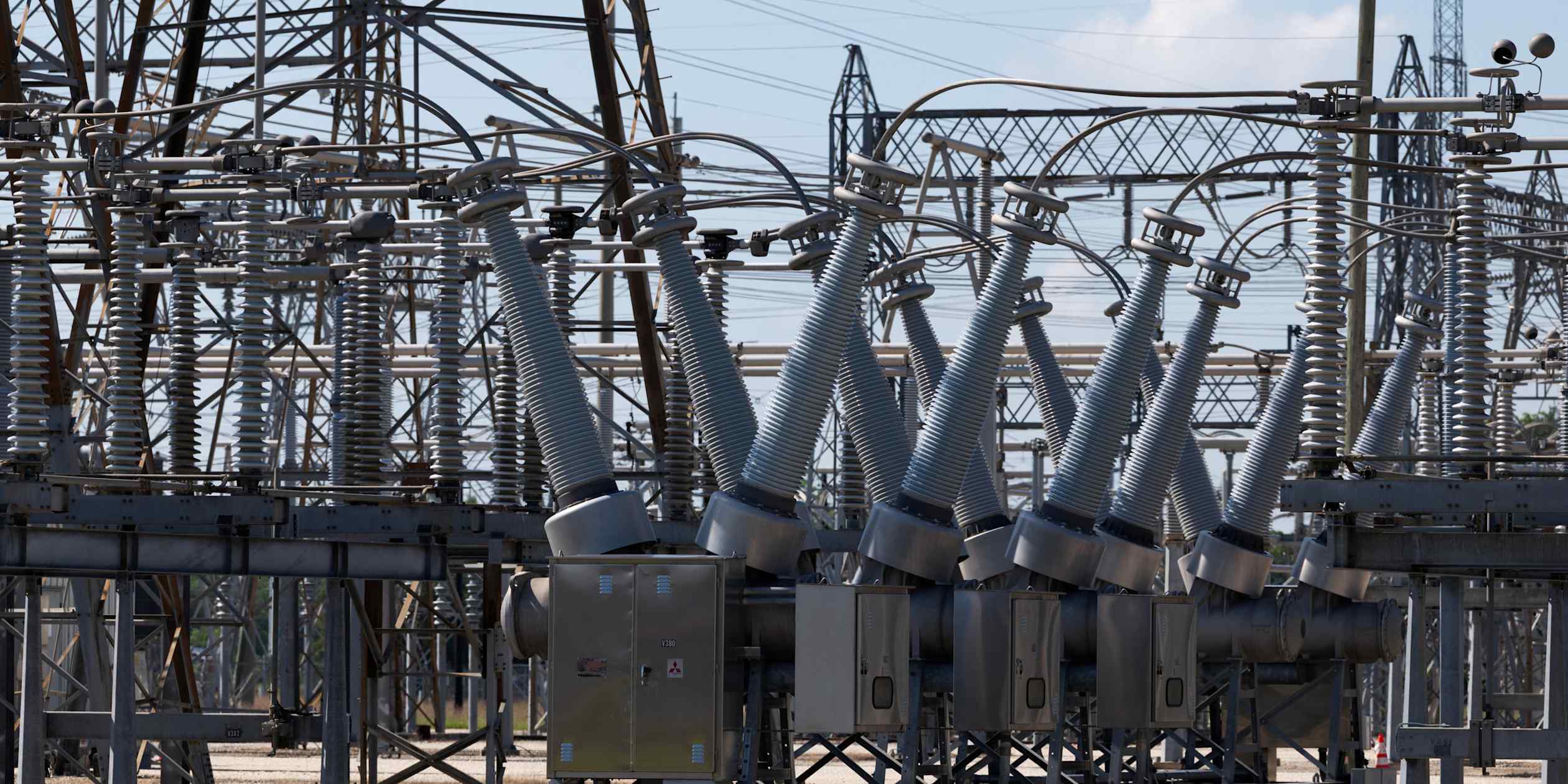
The Trump administration's expanded curbs on equipment originating from or connected to Chinese manufacturers are creating significant obstacles for the United States' clean-energy transition, industry analysts warn. Solar panel components, wind turbine parts, and related equipment sourced from China or Chinese-linked suppliers represent a substantial portion of materials used in renewable projects nationwide, making the restrictions a potential bottleneck for ongoing installations.
Renewable energy developers report growing uncertainty about equipment availability and costs as import restrictions take effect. Many projects in development stages now face delays as companies scramble to identify alternative suppliers or seek exemptions. The constraints affect both utility-scale operations and distributed solar installations, with particular strain on manufacturers relying on Chinese-sourced semiconductors and specialized materials.
The restrictions, framed as national security measures, have prompted industry groups to seek clarification on compliance requirements and potential hardship exceptions. Stakeholders argue that abrupt supply-chain disruptions could undermine previously announced climate and energy goals, slow job creation in the renewable sector, and increase costs for consumers already facing elevated energy prices.
Government officials maintain the measures are necessary to address supply-chain vulnerabilities, though they acknowledge the potential economic impact. The situation underscores broader trade tensions and the challenges of rapidly transitioning energy infrastructure while managing geopolitical concerns over manufacturing dependencies.