World · India Bureau
US coastal restoration project revives salmon habitat through dike removal
A decade-long environmental project in Washington State demonstrates how removing outdated infrastructure can restore critical fish habitats and rebuild natural coastal ecosystems. The initiative offers lessons for coastal management strategies across North America.
LSN India ·
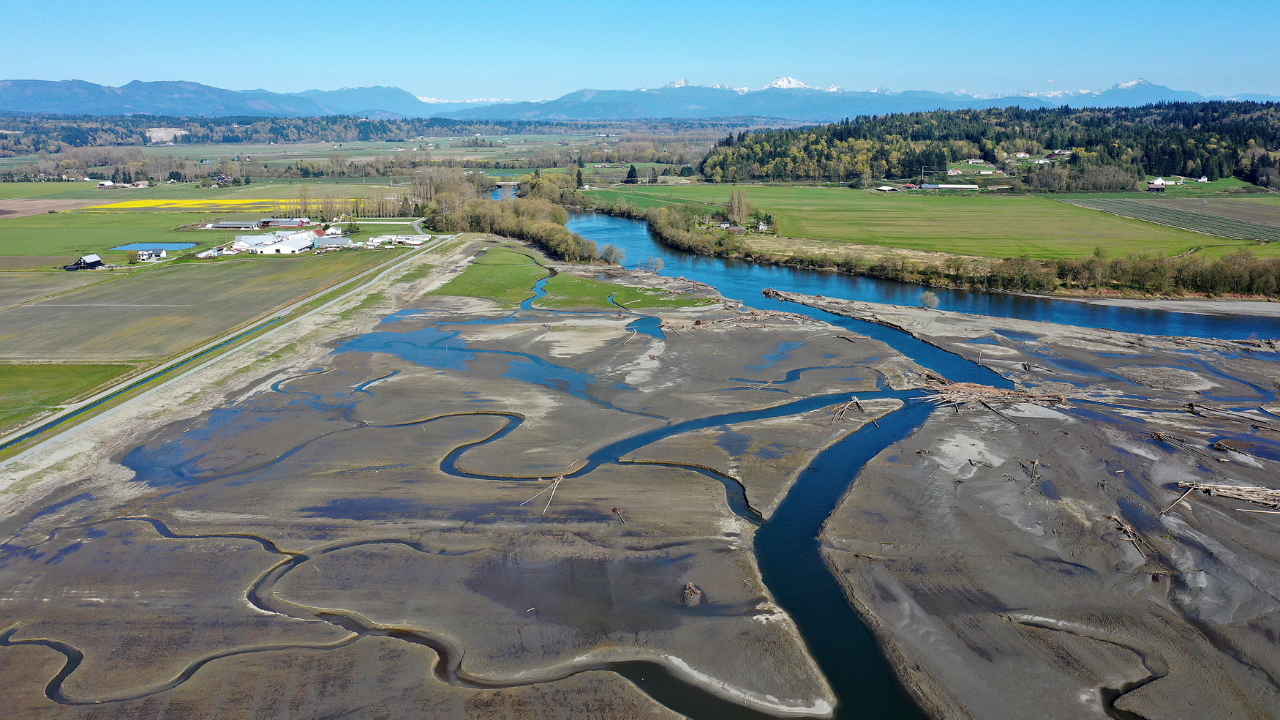
In 2009, US authorities undertook an ambitious coastal restoration effort by removing a century-old sea dike from the Nisqually River Delta, allowing tidal forces to reclaim 762 acres of marshland. The decision marked a significant shift in coastal management philosophy, prioritizing ecosystem restoration over traditional flood-control infrastructure.
The removal of the dike triggered a rapid ecological transformation. Young Chinook salmon populations quickly adapted to the newly restored tidal channels, which enhanced their access to critical feeding grounds and accelerated their growth rates. The restored marshland created diverse habitats that supported multiple species dependent on tidal ecosystems.
The comprehensive restoration project successfully re-established approximately 21 miles of ancestral tidal channels connecting the Nisqually River Delta to Puget Sound. This reconnection restored natural water flow patterns and sediment dynamics that had been disrupted for generations, revitalizing the delta's ecological functions.
Environmental specialists point to the Nisqually project as a blueprint for coastal resilience strategies. The success of removing aging dikes rather than merely maintaining them has influenced coastal management discussions across North American regions facing similar challenges of balancing human infrastructure with ecosystem preservation. The project underscores the potential for nature-based solutions to enhance both environmental health and long-term community resilience.