Culture & Entertainment · India Bureau
US conservation deal preserves forest while allowing timber operations
A Wisconsin family will retain ownership and management of nearly 1,800 acres of forest under a $1.6 million conservation easement that prevents development while permitting sustainable timber production. The agreement opens most of the land for public recreation and protects a segment of a national scenic trail.
LSN India ·
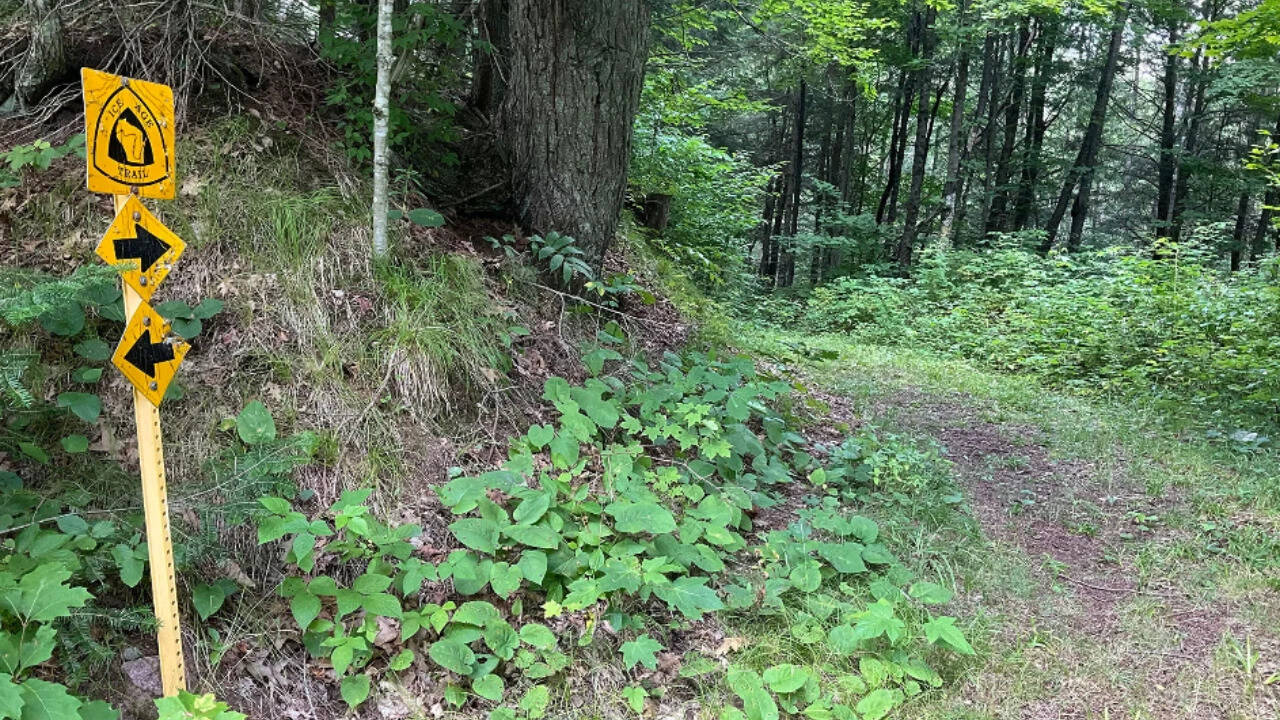
A family-owned forestry operation in Wisconsin has secured a conservation easement valued at $1.6 million that will allow continued timber management while permanently restricting commercial development across their nearly 1,800-acre property. The arrangement represents a compromise between resource extraction and environmental protection, allowing the landowners to maintain their forest management practices while contributing to broader conservation goals in the region.
Under the proposed agreement, approximately 1,500 acres will be opened to public use for hiking, hunting, and fishing activities. The conservation easement also protects a critical section of the Ice Age National Scenic Trail, which traverses Wisconsin and preserves geological features from the last glacial period. By restricting development rights while permitting timber operations, the deal balances economic interests with ecosystem preservation.
Conservation easements have become increasingly popular tools across North America for landowners seeking to protect natural areas while retaining property ownership and use rights. The mechanism allows owners to voluntarily limit future development on their land in exchange for financial compensation or tax benefits, creating permanent protection without requiring public acquisition of the property.
The arrangement reflects growing efforts to reconcile traditional land management practices with environmental conservation objectives. Forest management through selective timber harvesting can support wildlife habitat and reduce catastrophic wildfire risk, making such agreements attractive to conservation organizations and timber families alike.