Politics · India Bureau
US court curtails warrantless searches of private hunting lands
A Pennsylvania court has ruled that game wardens cannot enter private hunting properties without a warrant, marking a significant limitation on conservation enforcement powers. The decision balances wildlife protection with property rights protections.
LSN India ·
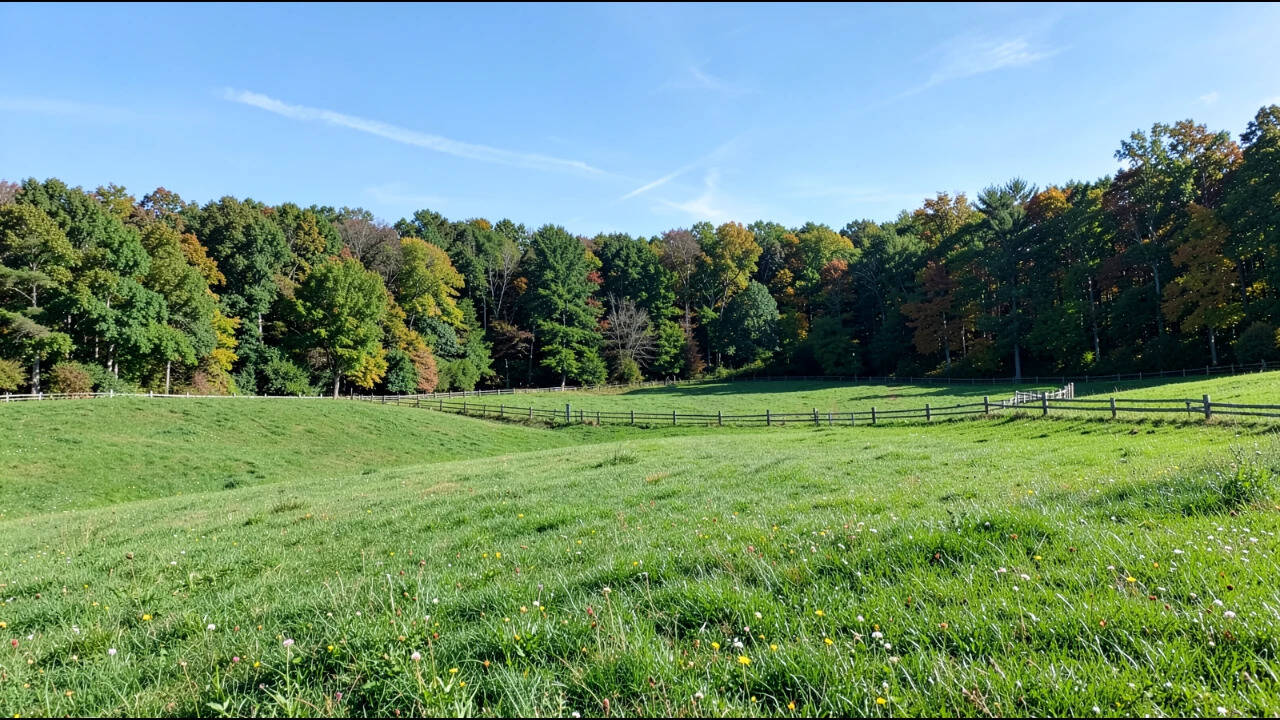
A Pennsylvania appellate court has restricted the authority of game wardens to conduct warrantless searches on private hunting lands, establishing new boundaries for conservation law enforcement in the state.
The ruling addresses a longstanding practice where wildlife officials have traditionally enjoyed broad access to private properties during hunting seasons to enforce game regulations and prevent illegal poaching. The court determined that such unrestricted entry violated property owners' constitutional protections against unreasonable searches, requiring wardens to obtain judicial authorization before accessing private land.
Conservation officials have long argued that warrantless entry powers are essential for effective wildlife management and preventing illegal hunting activities. However, the court found that the state's interest in enforcing hunting regulations, while legitimate, must be balanced against individuals' fundamental property rights and privacy expectations on their own land.
The decision does not eliminate game wardens' enforcement capabilities entirely but requires them to follow established legal procedures for accessing private property. Wildlife agencies may still respond to reports of illegal activity and can pursue violations discovered through lawful means or with property owner consent.
The ruling reflects growing judicial scrutiny of administrative enforcement powers nationwide, particularly regarding warrantless searches on private property. Conservation departments across the United States are expected to review their protocols in light of similar legal challenges emerging in other jurisdictions.