World · India Bureau
US deploys helicopters to airlift thousands of logs for salmon habitat restoration
Washington state is using helicopters to transport over 6,000 logs to remote waterways in a major ecological restoration effort. The project aims to reverse decades of habitat damage and revive populations of salmon and bull trout.
LSN India ·
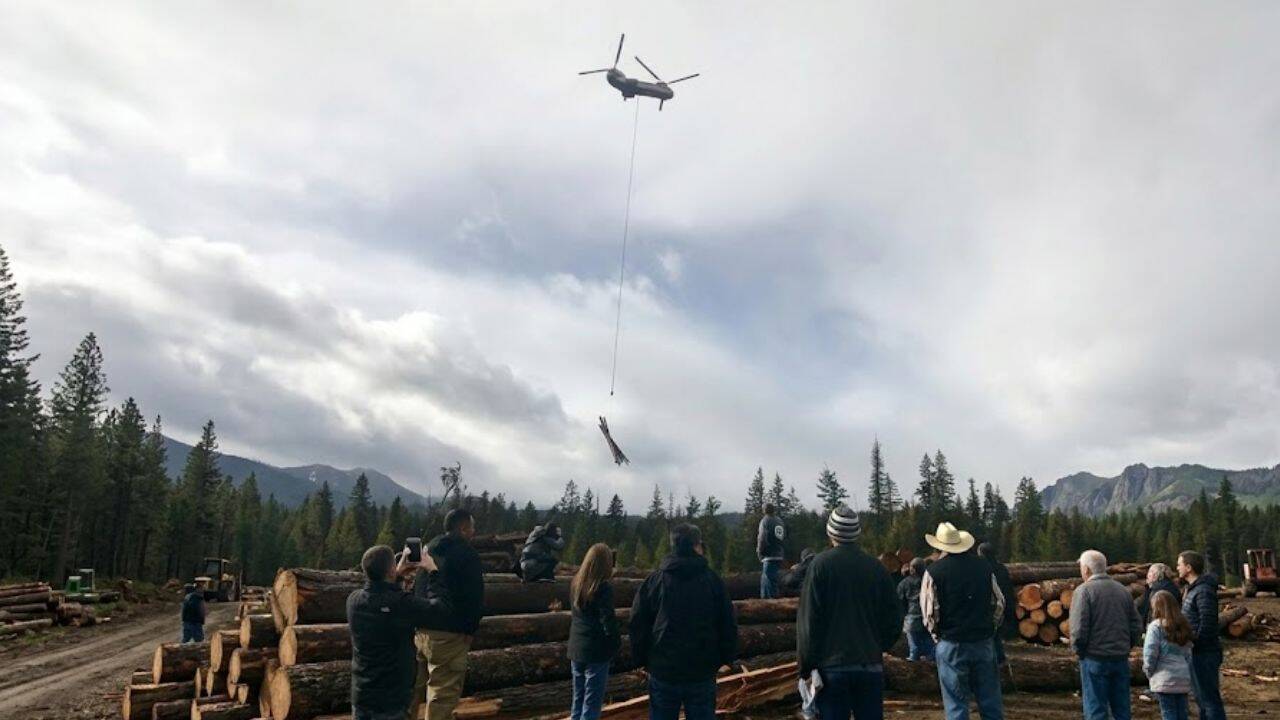
Central Washington's remote stream systems are receiving an unconventional delivery as helicopters ferry thousands of logs to locations inaccessible by traditional means. The ambitious initiative represents a significant investment in restoring aquatic ecosystems that have deteriorated following decades of river management practices that prioritized flood control and navigation over habitat preservation.
The strategically placed logs serve multiple ecological functions within the affected waterways. By slowing stream currents and creating pools of deeper water, the structures provide refuge for juvenile salmon and bull trout during critical life stages. The logs also improve floodplain connectivity, allowing water to spread across wider areas during high-flow periods—a natural process that had been severely constrained by previous engineering interventions.
Water retention represents another key benefit of the log placement strategy. The woody debris acts as a natural dam system, capturing and holding water within the streambed during drier periods. This helps maintain adequate water levels and temperatures necessary for fish survival, particularly as climate change intensifies seasonal variations in water availability.
The helicopter-based approach has become necessary because many of the degraded streams targeted for restoration lie in terrain too rugged or remote for ground-based log delivery. Environmental agencies view the project as a crucial step toward reversing the ecological damage inflicted by mid-20th century river management practices, which had removed much of the natural wood structure that fish populations depend upon for survival and reproduction.