World · India Bureau
US downgrades Hong Kong in trafficking report; Beijing cries foul
China has criticized the United States for downgrading Hong Kong to the lowest tier in its annual human trafficking assessment, accusing Washington of applying double standards in its foreign policy. The move has sparked diplomatic tensions amid broader US-China disagreements over governance in the territory.
LSN India ·
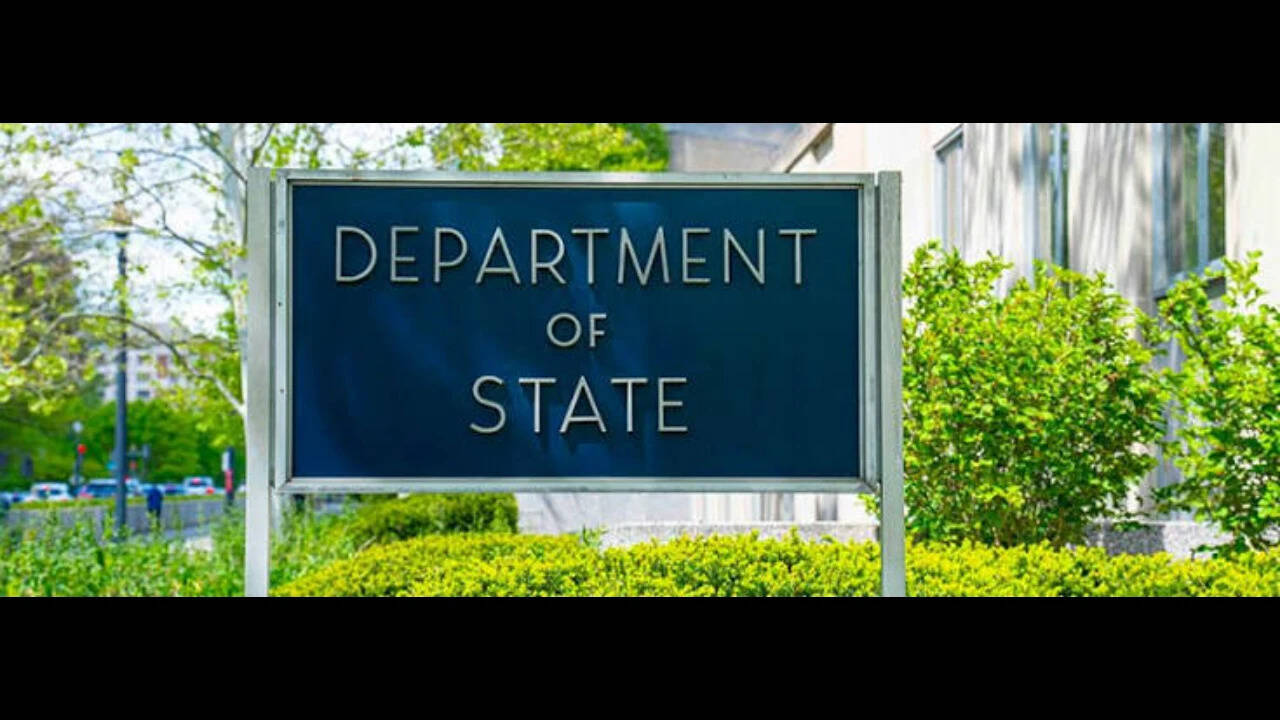
The United States State Department's decision to place Hong Kong in tier-3 of its Trafficking in Persons Report has drawn sharp rebukes from Beijing, which views the classification as politically motivated and inconsistent with actual conditions in the territory. Tier-3 designation indicates that a country or region does not meet minimum anti-trafficking standards and is not making significant efforts to do so, potentially triggering sanctions.
Chinese officials have characterized the downgrade as part of a pattern of Western criticism targeting Hong Kong since the implementation of the national security law in 2020. They argue that the assessment reflects ideological bias rather than objective evaluation of anti-trafficking measures and law enforcement activities within the territory. Officials contend that Hong Kong maintains robust mechanisms to combat human trafficking and cooperates with international law enforcement.
The downgrade marks a significant shift in Hong Kong's standing in the annual report. Previous years had seen the territory maintain a higher ranking, making the move particularly contentious from Beijing's perspective. The development reflects intensifying scrutiny of governance in Hong Kong from Western capitals, a trend that has accelerated following major political changes in recent years.
India and other regional nations closely monitor such international assessments, as they frequently inform diplomatic relations and aid policies. The controversy underscores broader tensions between Beijing and Western nations over human rights evaluations and international standards, issues that have implications for the wider Asia-Pacific region's geopolitical dynamics.