Business · India Bureau
US Energy Overtures to India Carry Geopolitical Weight, Analysts Say
US Secretary of State Marco Rubio's India visit reflects Washington's strategy to leverage energy partnerships as a tool of diplomatic influence in the region. Experts suggest the energy engagement comes with broader strategic expectations.
LSN India ·
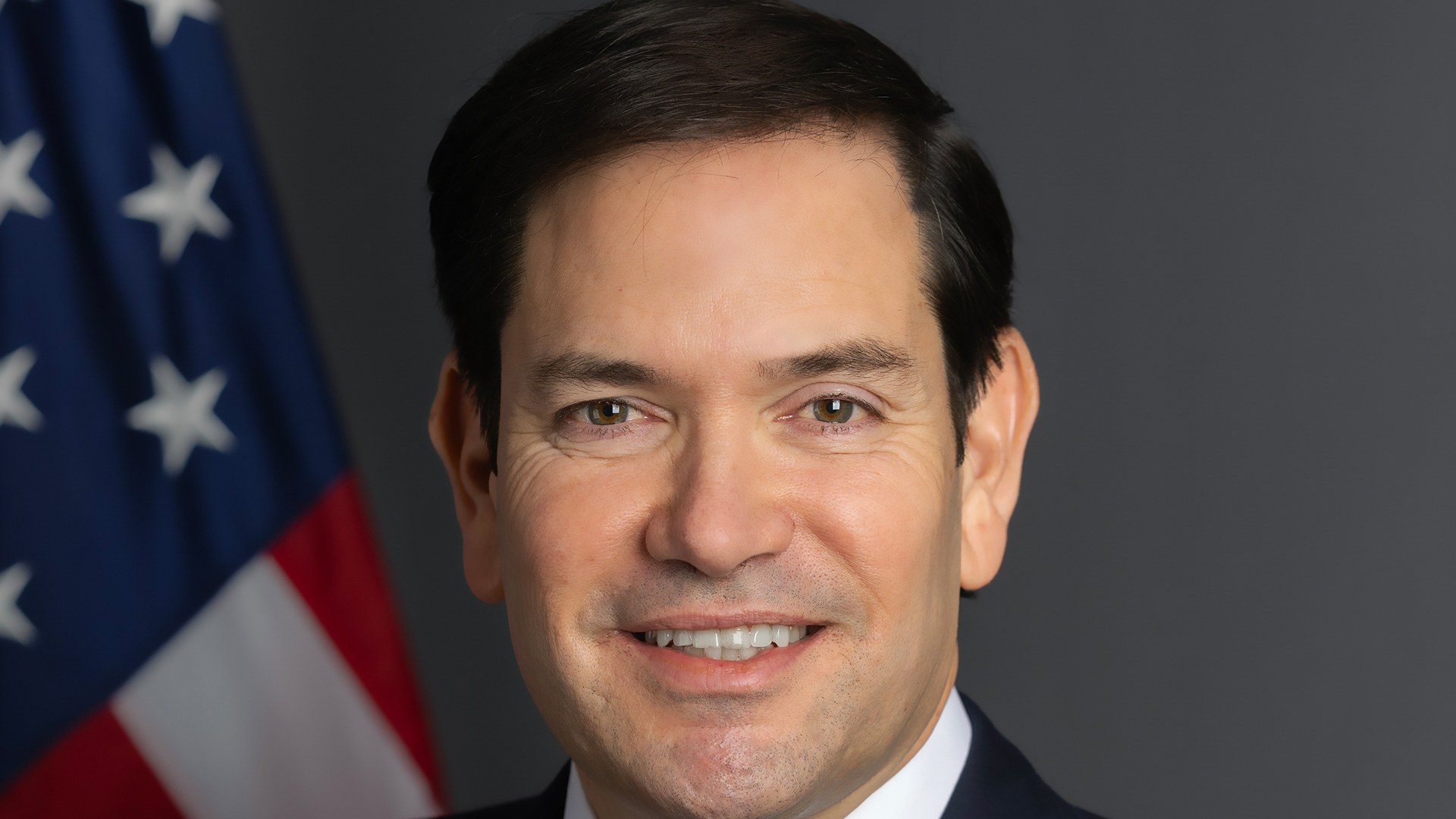
US Secretary of State Marco Rubio's recent visit to India highlights a fundamental shift in how major powers view energy relationships in contemporary geopolitics. Rather than functioning purely as commercial transactions, energy partnerships have increasingly become instruments through which nations advance their strategic interests and consolidate regional influence.
Rubio's engagement with Indian officials on energy matters signals Washington's intent to deepen bilateral ties through infrastructure and resource cooperation. However, observers note that such energy partnerships typically come with implicit expectations regarding India's foreign policy alignment and participation in broader US-led initiatives in the Indo-Pacific region.
For India, which faces substantial energy security challenges and growing power demands, such partnerships offer significant economic benefits. Yet policymakers in New Delhi must carefully evaluate the strategic trade-offs involved in deepening energy dependence on any single partner, particularly given India's traditional emphasis on strategic autonomy.
The broader context reflects intensifying great power competition in Asia, where energy has become a critical lever for establishing influence. As India continues to diversify its energy sources—including renewable investments and conventional fuel imports—balancing relationships with multiple partners while maintaining independent decision-making remains a key strategic imperative for the country.
Photo: Official portrait of US Secretary of State Marco Rubio, January 2025. US Department of State via Wikimedia Commons (public domain).