Sport · India Bureau
US engineering students develop wearable obstacle detector for visually impaired
A team of engineering students has created an innovative headwear device that uses advanced sensors to alert visually impaired users to nearby obstacles through haptic feedback, offering extended independence with a 12-hour battery life.
LSN India ·
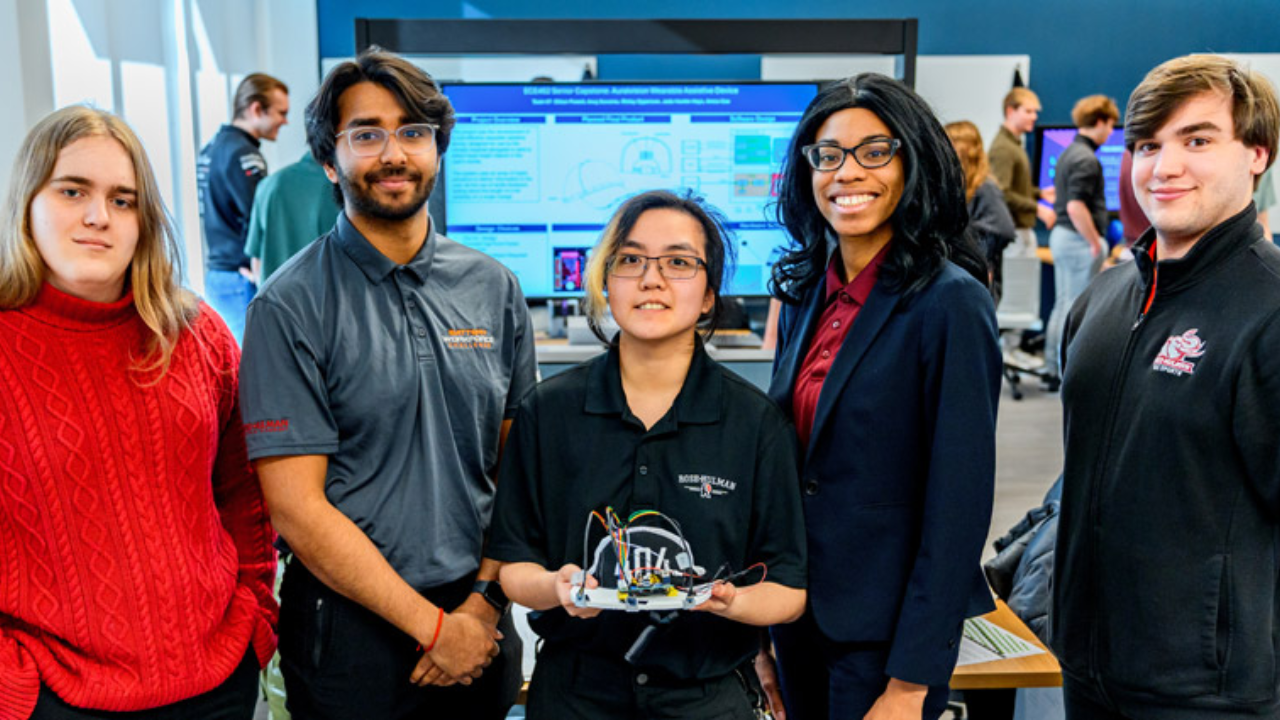
Five engineering students have developed a wearable device designed to enhance mobility and safety for people with visual impairments. The headgear incorporates sophisticated sensor technology to detect obstacles in the user's environment, providing real-time alerts through haptic feedback—vibrations that communicate spatial information without requiring visual input.
The device represents a significant advancement in assistive technology for the blind and partially sighted. Unlike traditional mobility aids such as white canes or guide dogs, the wearable extends the user's awareness of hazards beyond immediate reach, potentially improving navigation in complex environments and reducing collision risks.
A key feature of the innovation is its extended operational capability. The headgear delivers a full 12 hours of continuous use on a single charge, addressing a critical limitation of many existing wearable assistive devices that require frequent recharging. This extended battery life makes the device practical for full-day use, allowing users to maintain independence throughout their daily activities without dependence on external power sources.
The project underscores growing efforts in the technology sector to develop solutions that enhance quality of life for people with disabilities. By combining wearable technology with sensory feedback mechanisms, the device aims to expand the capabilities and confidence of visually impaired individuals in navigating their surroundings independently.