World · World News Bureau
US execution methods continue to face scrutiny over implementation flaws
High-profile cases highlight persistent problems with lethal injection and other capital punishment techniques in the United States, despite promises of more humane procedures.
LSN World News ·
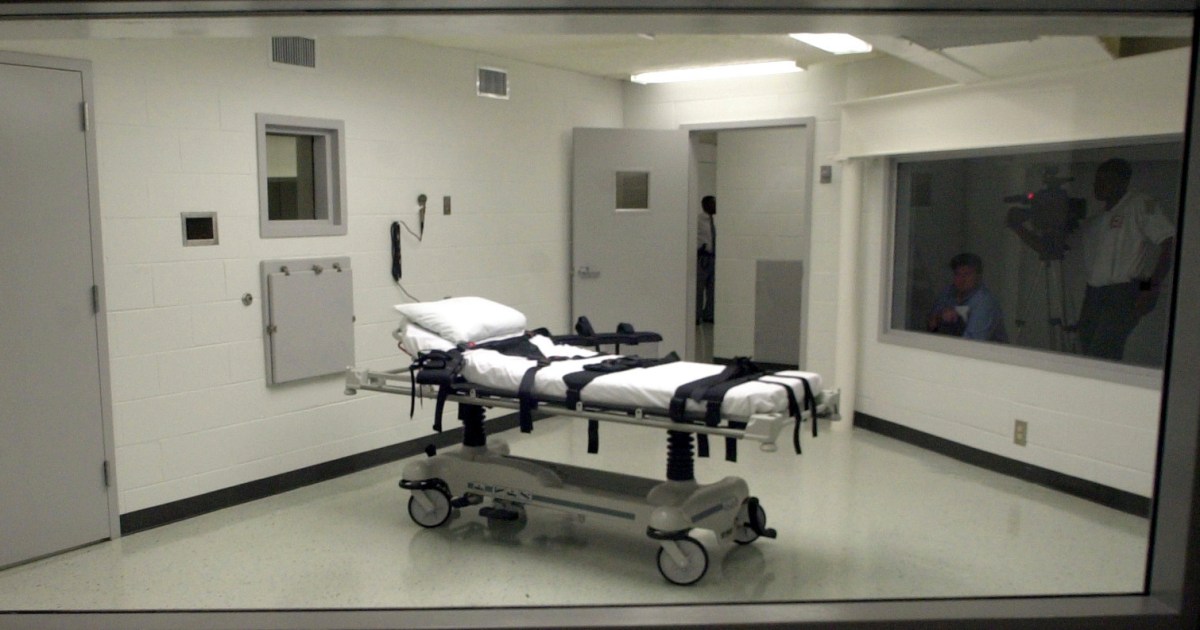
Execution methods in the United States remain fraught with complications despite decades of refinement, according to experts examining the criminal justice system's capital punishment practices. While lethal injection was introduced as a more controlled and ostensibly humane alternative to earlier methods, implementation difficulties have repeatedly undermined those objectives, raising fresh questions about the reliability of current protocols.
The technical challenges accompanying executions have drawn scrutiny from medical professionals, legal scholars, and death penalty observers who document cases where procedures deviate significantly from established procedures. These deviations have resulted in extended execution times, apparent suffering, and procedural irregularities that contradict stated commitments to swift and dignified processes.
Experts point to a fundamental disconnect between the theoretical promise of modern execution methods and their actual application in practice. Training deficiencies, equipment failures, and inconsistent protocols across different states contribute to outcomes that frequently fall short of stated humanitarian standards.
The recurring nature of these problems has intensified debate within the United States regarding capital punishment itself. Proponents of reform argue that current systems cannot reliably meet basic standards of humane treatment, while death penalty supporters contend that technical improvements and better training could resolve existing inadequacies. Legal challenges continue to work through court systems as questions persist about whether capital punishment can be administered constitutionally under contemporary standards.