Politics · World News Bureau
US faces pressure to clarify Taiwan policy beyond strategic ambiguity
Analysts and policymakers are increasingly questioning whether the United States' longstanding strategy of deliberate ambiguity over Taiwan's status remains viable in an era of rising Chinese assertiveness and regional tensions.
LSN World News ·
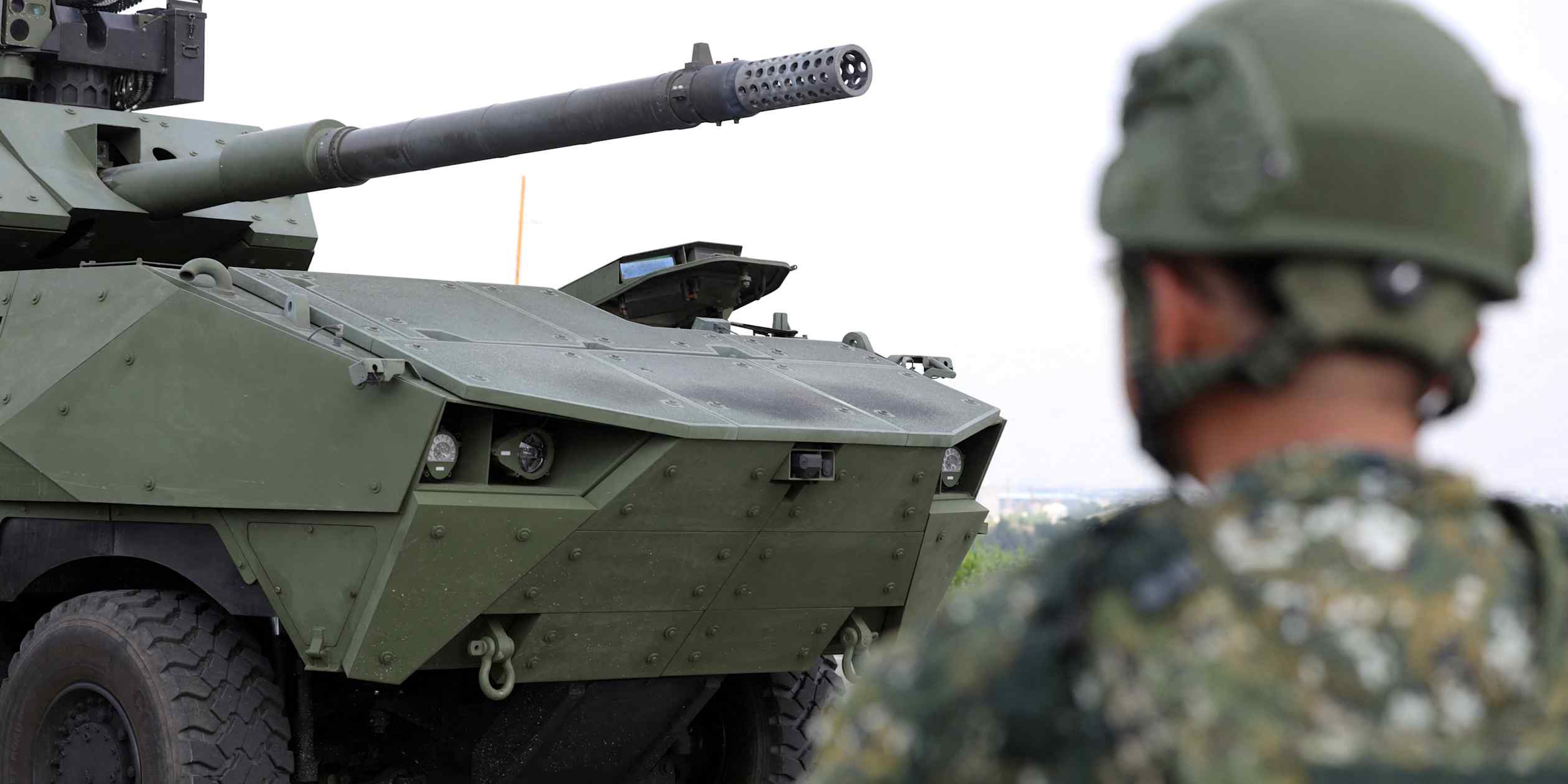
The doctrine of strategic ambiguity—maintained by successive US administrations for decades—has long served as a stabilizing mechanism in cross-strait relations. By deliberately obscuring the extent of American military commitment to Taiwan's defense, Washington sought to deter both Chinese military adventurism and Taiwanese independence declarations. However, regional developments and shifting geopolitical calculations have prompted growing calls for a policy recalibration.
Proponents of a more explicit approach argue that strategic ambiguity has become increasingly untenable given China's military modernization and more aggressive posturing toward Taiwan. They contend that clear security guarantees would strengthen deterrence and reduce the risk of miscalculation. Others warn that abandoning ambiguity could unnecessarily antagonize Beijing and destabilize the region further, risking military escalation.
US policymakers face competing pressures as they grapple with Taiwan's strategic importance amid great power competition in Asia-Pacific. The island remains a critical node in global semiconductor supply chains and sits astride vital shipping lanes, amplifying concerns about regional security. Taiwan's democratic system also features prominently in American strategic rhetoric emphasizing values-based competition with authoritarian powers.
The debate reflects broader questions about how Washington can balance its competing interests: maintaining stability in one of the world's most sensitive flashpoints while reassuring an anxious Taiwan and managing ties with Beijing. Any policy shift would carry significant implications for regional allies and the broader Indo-Pacific security architecture.