World · India Bureau
US farmer's four-decade drought-free farming model offers water wisdom
An Oregon-based farmer has successfully cultivated crops for 40 years without relying on irrigation systems, demonstrating sustainable agricultural practices that could offer valuable lessons for water-stressed regions globally.
LSN India ·
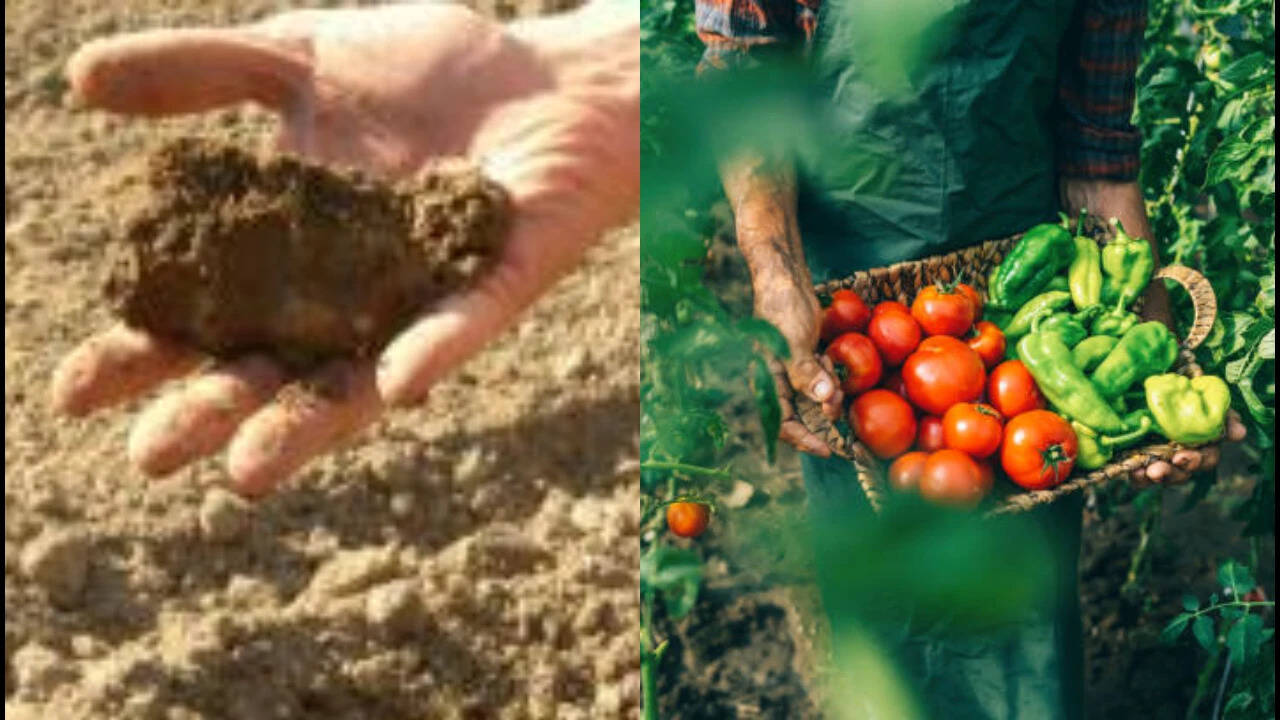
A farmer in Oregon has maintained consistent crop yields for four decades using farming methods that eliminate the need for irrigation, presenting an alternative approach to conventional agricultural water management. The farmer's approach focuses on soil health, natural moisture retention, and adapted cropping techniques suited to local climate patterns.
The long-term success of the operation challenges conventional assumptions about agricultural productivity in semi-arid regions, where irrigation is typically considered essential for viable crop production. By prioritizing soil structure and composition, the farmer has developed systems that maximize the retention and efficient use of natural rainfall and ground moisture.
Agriculturalists studying the model attribute its effectiveness to careful land management practices, including crop rotation, mulching, and selection of drought-tolerant plant varieties. These methods work in tandem to reduce water dependency while maintaining soil fertility and preventing degradation.
With water scarcity becoming an increasingly critical issue for farmers across South and Southeast Asia, the Oregon farmer's experience offers a practical case study for developing region-specific, low-water agricultural strategies. Experts suggest that while climate and soil conditions vary widely, the underlying principles of water conservation through improved soil management could be adapted to suit different geographical and climatic zones.
The four-decade track record demonstrates the long-term viability of irrigation-free farming, potentially providing a blueprint for agricultural communities seeking sustainable alternatives to conventional water-intensive methods.