World · India Bureau
US farmer taps conservation scheme to profit from land restoration
A North Dakota farmer is demonstrating how conservation initiatives can generate income while restoring degraded land. The retired farmer will receive $5,250 annually for converting erosion-prone fields into grassland through a state-backed program.
LSN India ·
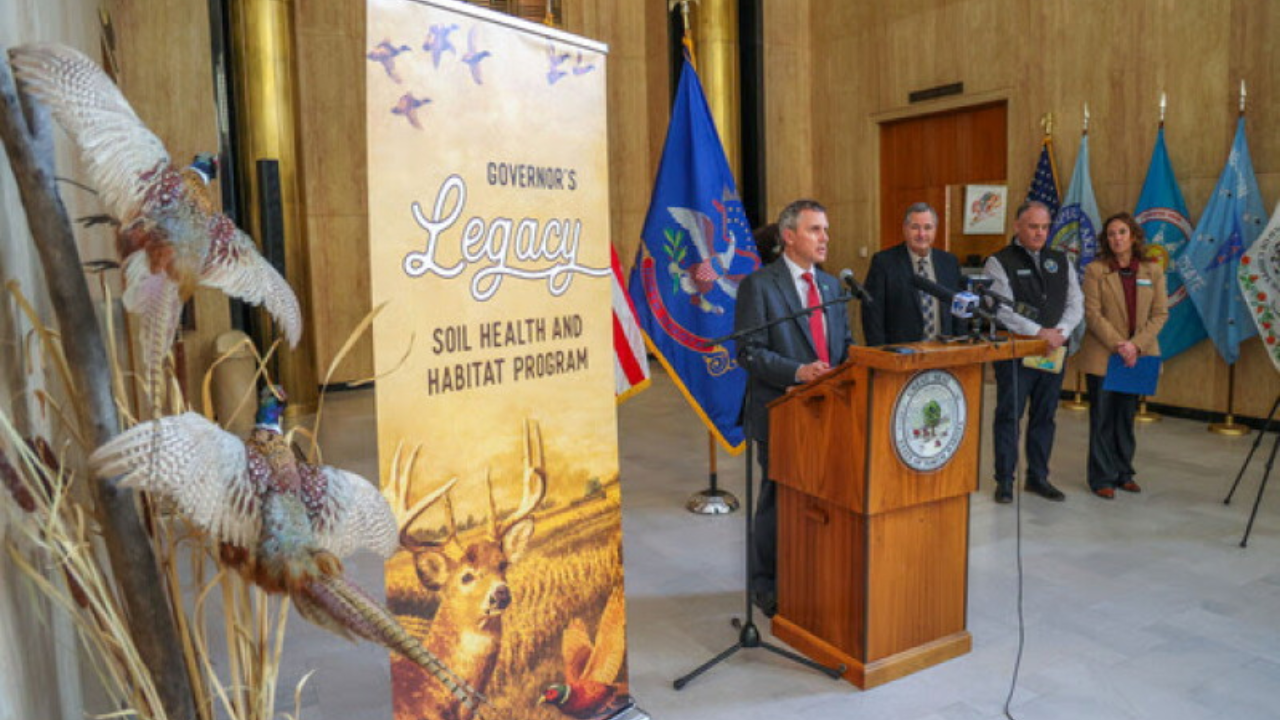
In the American agricultural heartland, a new model is emerging for land stewardship that balances economic returns with environmental restoration. A retired North Dakota farmer has enrolled erosion-susceptible farmland in a state conservation program, securing annual payments of $5,250 over a five-year period for converting the fields into productive grassland.
The initiative addresses a longstanding challenge in farming regions: marginal lands that are difficult to cultivate profitably yet vulnerable to soil degradation. By transitioning these areas to native grassland, the farmer simultaneously creates revenue streams while enhancing soil health and wildlife habitat—outcomes that have attracted broader interest across agricultural communities.
Program administrators report strong farmer participation, with demand for enrollment significantly outpacing available funding. The scheme's success has prompted discussions between state officials and federal agencies about expanding financial support, recognizing both the conservation benefits and the potential to supplement farm incomes in rural areas.
Economic incentives for land restoration represent an emerging strategy in agricultural policy, particularly as farming communities navigate environmental pressures and economic constraints. The North Dakota program exemplifies how financial mechanisms can align private farmer interests with broader conservation objectives, creating measurable benefits for soil, water, and biodiversity.