Business · India Bureau
US farmers pioneer wildlife corridor spanning 2,500 acres
Two Virginia farmers have successfully created a vast wildlife corridor across their private land, bridging protected habitats and enabling seamless animal migration. The conservation effort, supported by scientific programs, demonstrates how agricultural practices can be integrated with biodiversity protection.
LSN India ·
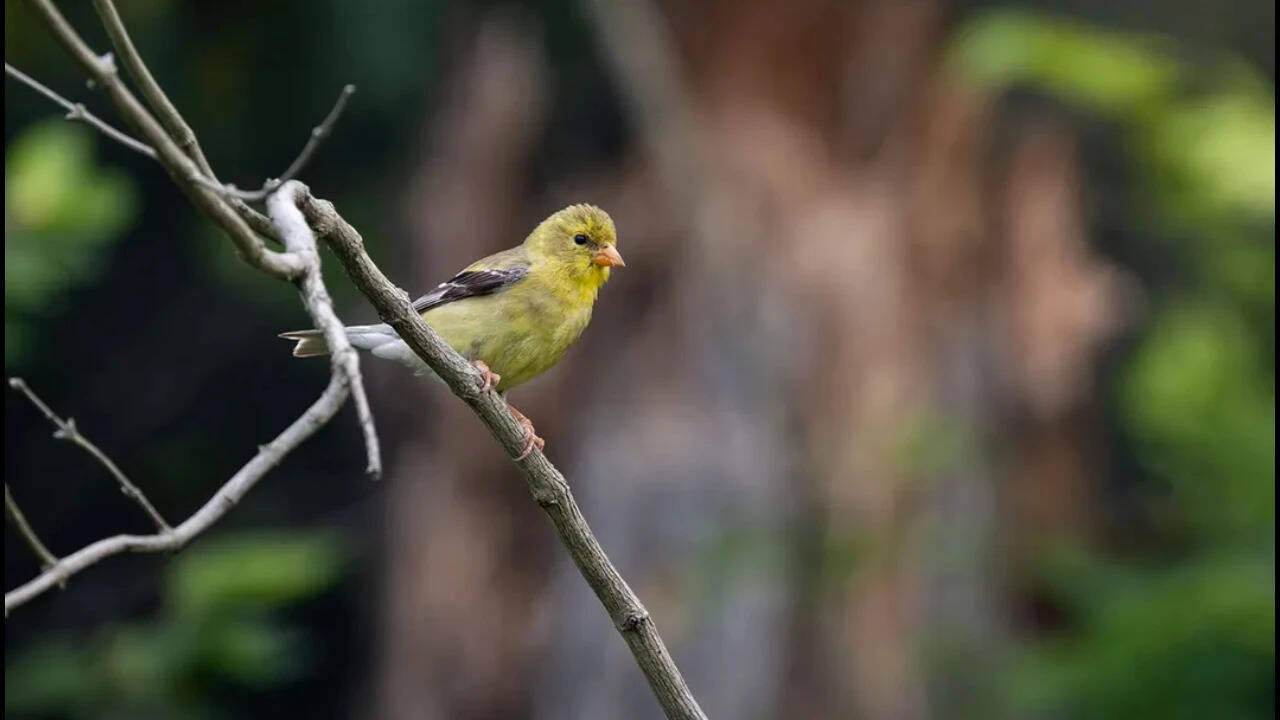
In a significant conservation achievement, two farmers in Virginia have established a 2,500-acre wildlife corridor that connects fragmented natural habitats across their privately owned agricultural land. The initiative represents an innovative approach to wildlife management, allowing species to move freely between expansive protected areas that were previously isolated.
The corridor's creation involved careful land management strategies that balance agricultural productivity with environmental conservation. By redesigning portions of their farms to serve as transitional zones, the farmers have created pathways that enable wildlife to access resources and breeding grounds across a much larger geographical area. This approach addresses a critical challenge in modern conservation: the isolation of protected reserves due to human development and agricultural expansion.
The project has benefited from partnerships with various scientific and conservation organizations that provided expertise and support throughout the planning and implementation phases. These collaborations have ensured that the corridor design incorporates best practices in habitat connectivity and ecosystem management. The initiative has garnered recognition as a model for how private landowners can contribute meaningfully to regional conservation goals.
The success of this Virginia effort highlights the potential for agricultural communities to play a central role in broader biodiversity protection strategies. By maintaining the 2,500-acre corridor, the farmers are enabling diverse species to thrive while sustaining their own agricultural operations. The project demonstrates that conservation and farming need not be competing interests, but can instead be complementary pursuits that benefit both economic and environmental outcomes.