Politics · India Bureau
US farming family combines crop production with wind energy income
A wheat-farming family in Oregon has successfully integrated renewable energy generation into their agricultural operations, maintaining traditional farming practices while deriving additional revenue from wind turbines installed on their property.
LSN India ·
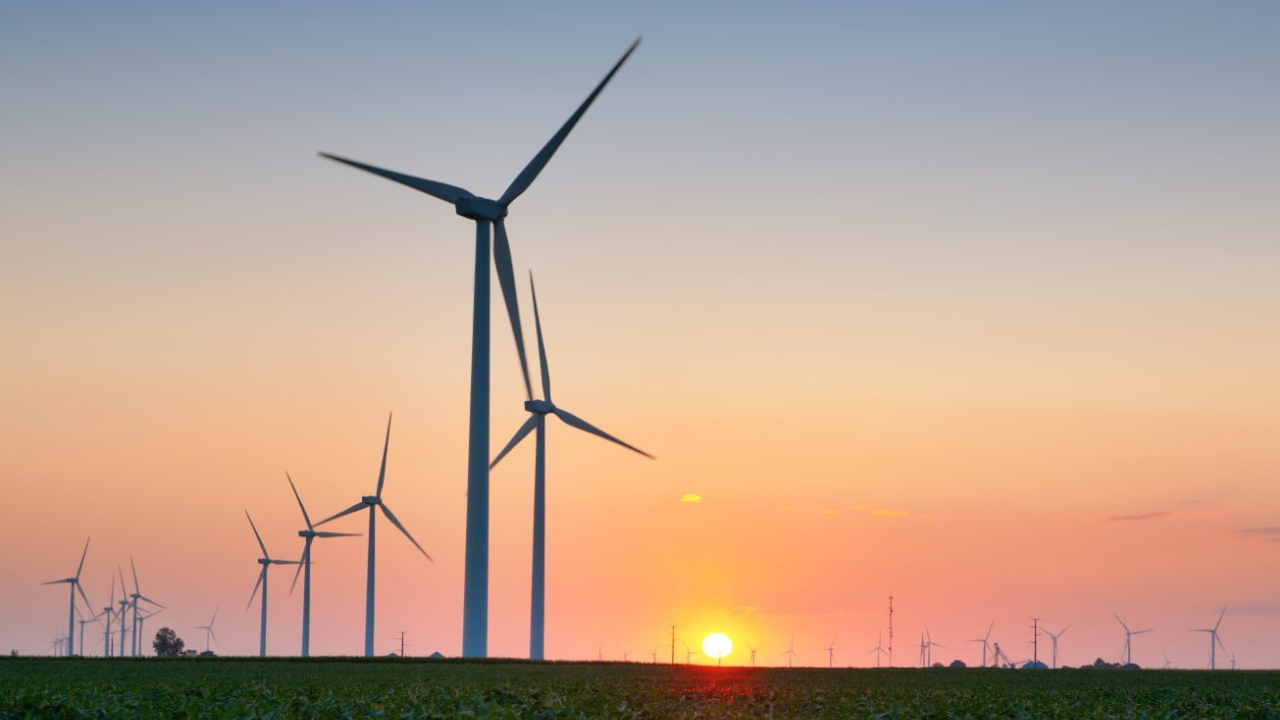
The McCullough family in Sherman County, Oregon has demonstrated a viable model for combining conventional agriculture with renewable energy production. With 13 wind turbines now operating across their farming land, the family continues to cultivate wheat and other crops without disruption to their core agricultural activities.
The integration of wind energy infrastructure onto working farmland has become an increasingly popular arrangement in rural America. Landowners lease portions of their property to renewable energy companies, which install and maintain the turbines while farmers retain the ability to operate their land for crop production around the installations.
Beyond direct payments to the farm family, the arrangement generates significant tax revenue for Sherman County and the surrounding region. These funds support critical rural services and infrastructure projects that benefit local communities, underscoring the broader economic impact of renewable energy development in agricultural areas.
The McCullough family's experience illustrates how renewable energy projects can provide rural landowners with diversified income streams while contributing to regional sustainability goals. As agricultural regions across the United States explore renewable energy opportunities, such dual-use arrangements are providing economic benefits that extend well beyond individual farming operations.