Business · Malaysia Bureau
US-German scientists win Nobel Prize for optogenetics breakthrough
Karl Deisseroth, Peter Hegemann and Georg Nagel have been awarded the Nobel Prize in Physiology or Medicine for their pioneering work in optogenetics. The trio will receive the honour at a formal ceremony in Stockholm on December 10.
LSN Malaysia ·
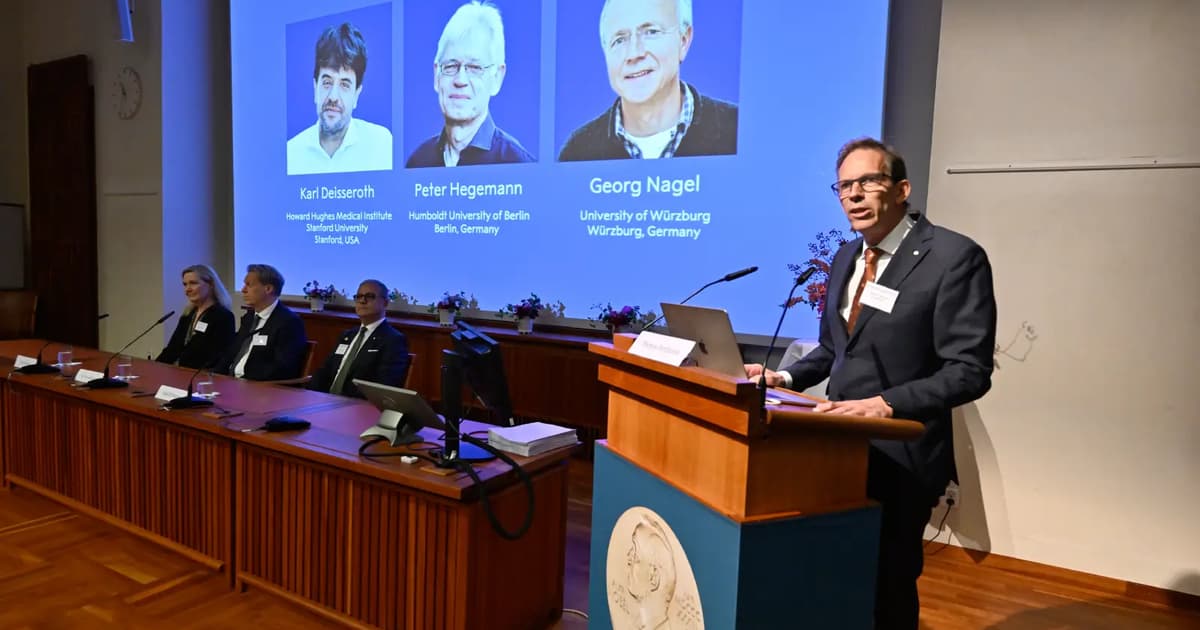
The three laureates have been recognised for developing optogenetics, a transformative technique that allows scientists to control brain cells using light. The breakthrough has opened new avenues for understanding neural circuits and treating neurological disorders.
Deisseroth, based at Stanford University, developed the method of using light-sensitive proteins to activate specific neurons with precision. Hegemann and Nagel, both from Germany, made foundational discoveries of the light-sensitive ion channels that form the basis of the technology.
Optogenetics has rapidly become a cornerstone of modern neuroscience, enabling researchers to map brain function and investigate the neural basis of behaviour, memory and disease. The technique combines genetics and optics, allowing scientists to selectively stimulate or inhibit specific neural populations in living organisms.
The Nobel Prize committee noted that the discovery has significant implications for understanding conditions such as Parkinson's disease, depression and blindness. The technique is also being explored for potential therapeutic applications in treating various neurological and psychiatric conditions.
The formal award ceremony will take place in Stockholm on December 10, where King Carl XVI Gustaf will present the prizes to the laureates.