Politics · World News Bureau
US has long sought to limit UN influence despite hosting role
Analysts say American efforts to constrain the United Nations' authority extend far beyond recent diplomatic tensions, reflecting decades of strategic policy shifts toward the global institution.
LSN World News ·
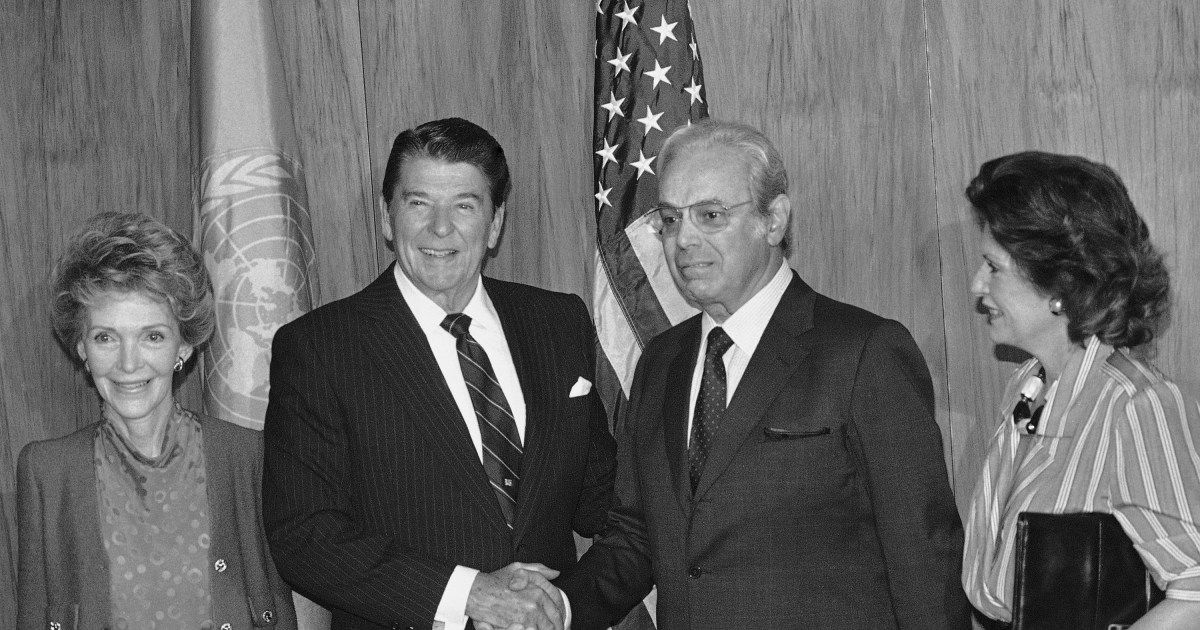
The United States' relationship with the United Nations has been marked by persistent attempts to restrict the organization's power and independence, even as Washington has served as the primary host nation for the international body's headquarters in New York.
Historians and international relations experts point to a pattern spanning multiple administrations, in which American policymakers have pursued mechanisms to weaken UN authority when decisions conflicted with national interests. This approach has manifested through withholding financial contributions, blocking resolutions, and limiting the organization's operational autonomy in various sectors.
The strategy reflects broader American foreign policy principles that prioritize national sovereignty and unilateral decision-making capacity. By maintaining the UN's physical presence within US territory while simultaneously constraining its institutional power, Washington has effectively shaped the organization to function within parameters compatible with American strategic objectives.
Observers note that contemporary disputes over UN independence and efficacy cannot be understood in isolation from this historical context. The current state of tension between the United States and various UN bodies represents a continuation of longstanding policy directions rather than a departure from established practice.
This dynamic has raised questions among international observers about the sustainability of an arrangement in which a single nation serves simultaneously as primary host and principal architect of institutional limitations.