World · India Bureau
US homeowner wins six-figure legal costs award against HOA in office dispute
A Texas resident has secured a $100,000 award covering legal fees after prevailing in a dispute with her homeowners' association over a backyard office structure. The ruling underscores growing tensions between homeowners and HOAs over residential workspace regulations.
LSN India ·
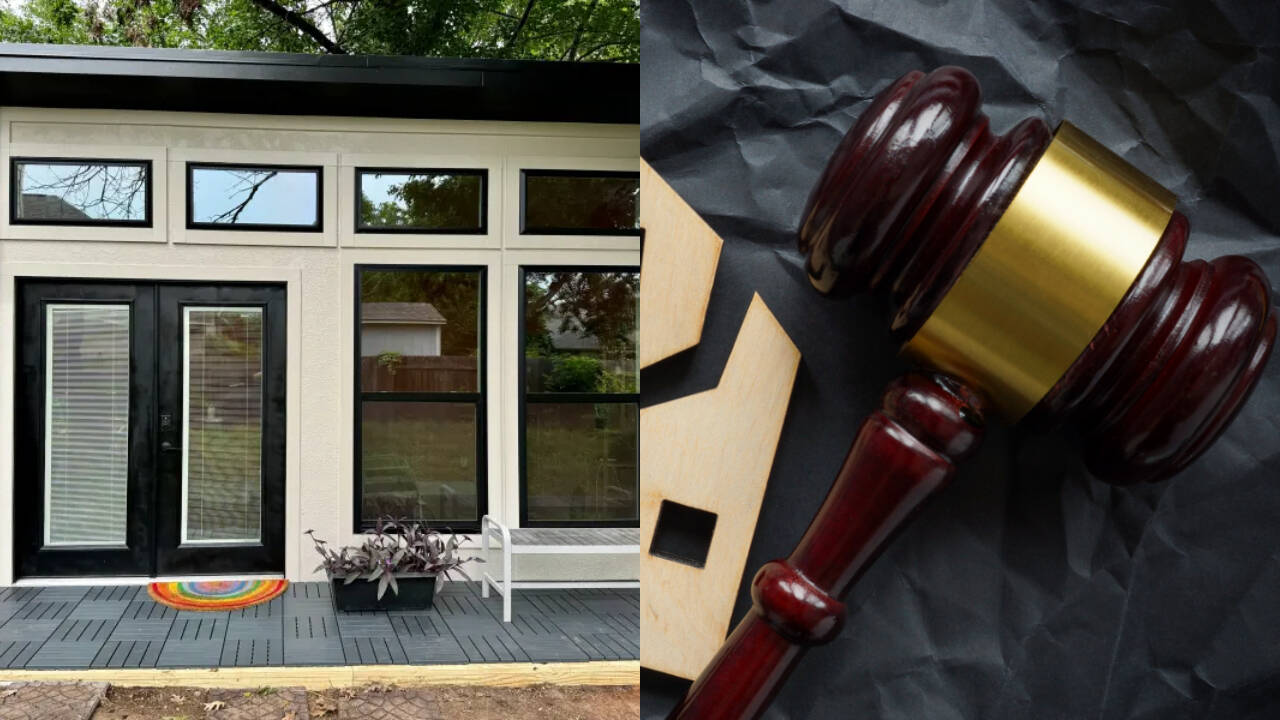
A Texas woman has won a significant legal victory against her homeowners' association, with a court awarding her $100,000 in attorney fees following a contentious dispute over a backyard office installation on her property.
The case highlights an increasingly common friction point between individual homeowners and HOAs across the United States, particularly as remote work arrangements have prompted many residents to construct home office spaces. The dispute centered on whether the homeowner had the right to erect a structure in her backyard for professional purposes, with the HOA attempting to block the project citing community regulations.
The court's decision to award substantial legal costs suggests the homeowner's position was deemed reasonable and that the HOA's opposition may have been deemed without sufficient merit. Such awards typically signal judicial skepticism regarding an association's exercise of its regulatory authority.
The outcome is likely to influence how homeowners' associations nationwide approach remote work infrastructure requests, potentially prompting greater flexibility in regulations governing residential property modifications. For homeowners, the ruling demonstrates that legal recourse remains available when HOA restrictions appear unreasonable or excessive.
While HOAs serve to maintain property values and community standards, disputes over the scope of their authority have become increasingly common as residential work patterns evolve, with courts often required to balance individual property rights against collective community interests.