Business · World News Bureau
US inflation pressures persist amid Middle East tensions
Price growth in the United States has remained elevated in July, with energy costs surging following military tensions in the Middle East. The developments complicate the Federal Reserve's efforts to bring inflation closer to its target.
LSN World News ·
Inflation in the United States has shown little sign of easing in July, bucking hopes among policymakers and economists that price pressures would continue to moderate. The persistence of rising costs across the economy reflects multiple headwinds, including renewed volatility in global energy markets triggered by regional geopolitical developments.
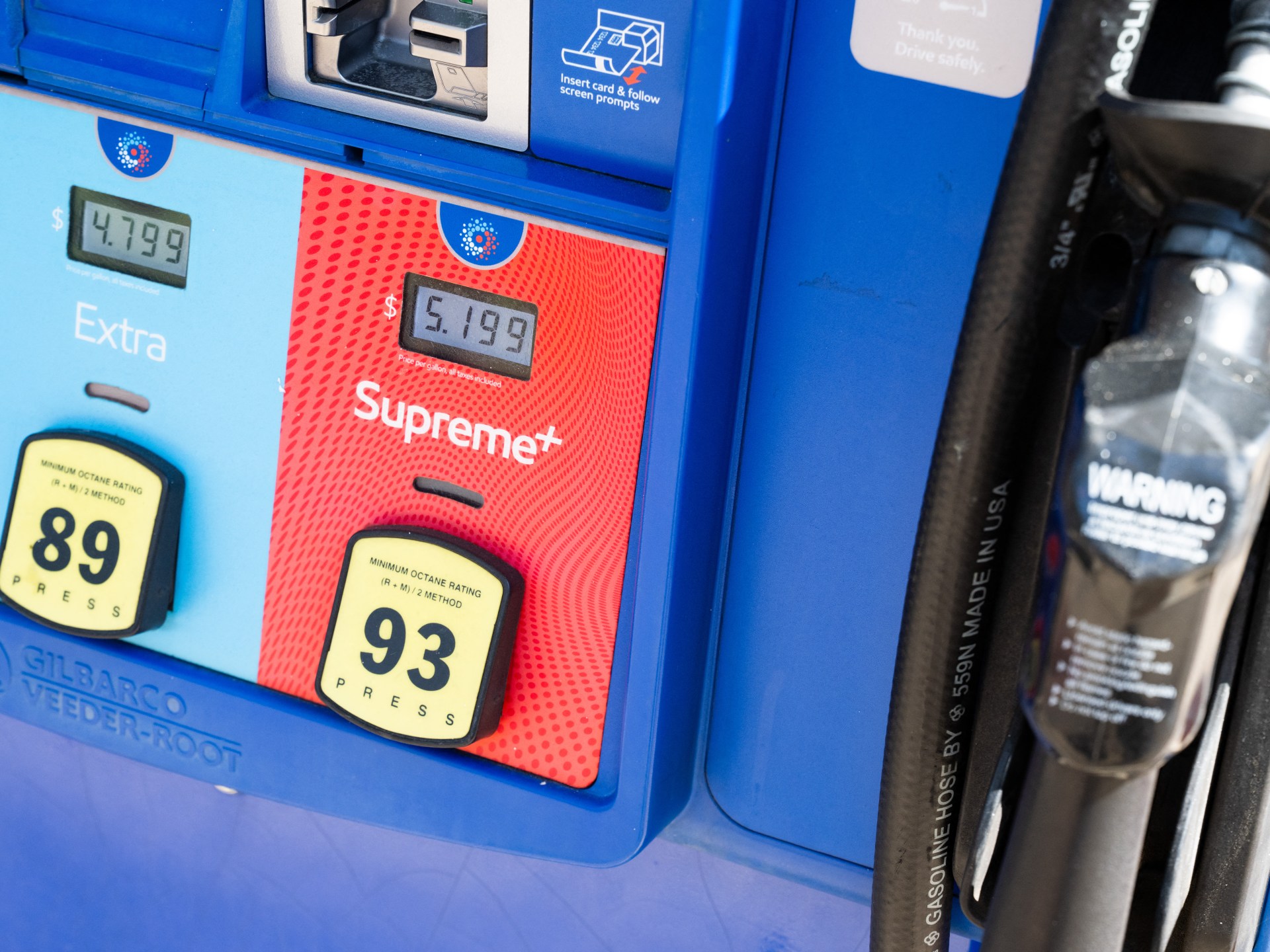
Energy prices have emerged as a key driver of inflation's stickiness, with crude oil and refined products spiking following military operations involving the United States and Israel in the Middle East. The supply concerns have rippled through transportation and manufacturing sectors, pushing up costs for businesses and consumers alike.
The July inflation data underscores the challenges facing the Federal Reserve as it calibrates monetary policy in an uncertain environment. While core inflation measures—which exclude volatile food and energy prices—have shown more progress, the renewed energy shock threatens to complicate the central bank's path toward its two percent inflation target.
Analysts caution that sustained geopolitical risks in the Middle East could prolong inflation pressures, particularly if disruptions to energy supplies persist or intensify. The situation leaves policymakers navigating conflicting signals about the true underlying momentum of price growth in the broader economy.