World · Singapore Bureau
US-Iran tensions risk escalation after midterm elections, analysts warn
Growing concerns about potential US military action against Iran have emerged following the American midterm polls, raising questions about Tehran's strategic calculations and the implications for regional stability in Asia.
LSN Singapore ·
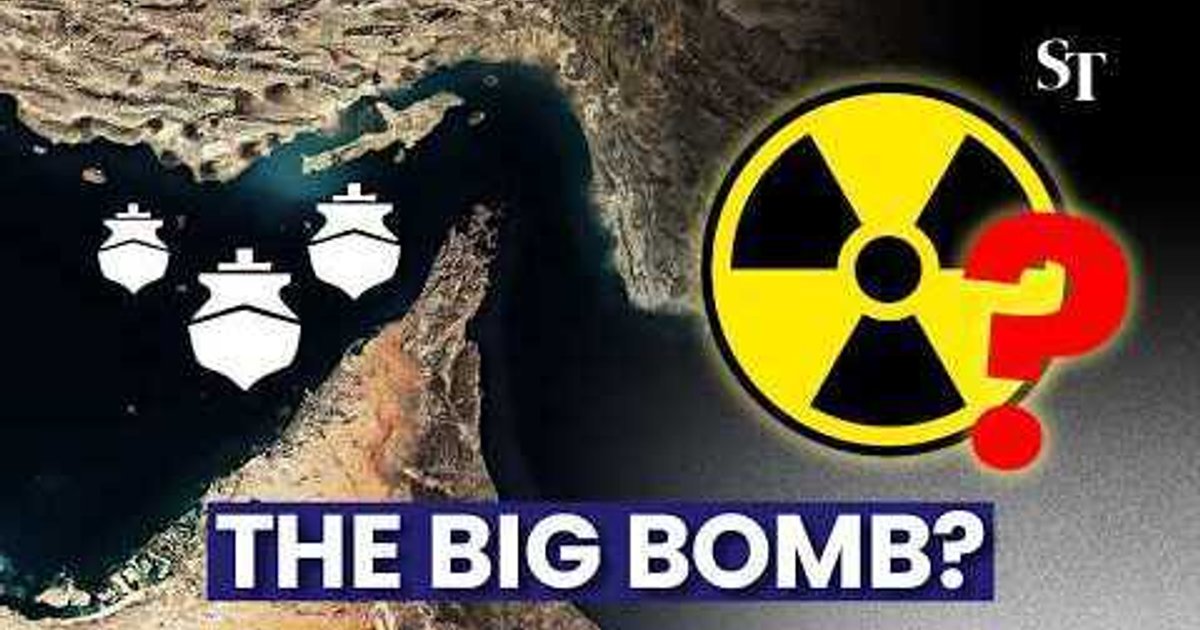
Analysts across Asia are closely monitoring escalating tensions between Washington and Tehran, with concerns mounting that the post-midterm political landscape could embolden more aggressive US posturing toward Iran. The timing of the elections has created uncertainty about potential military escalation, prompting regional observers to reassess the balance of power in the Middle East and its spillover effects on global markets and security.
Experts suggest Tehran may be overestimating its ability to sustain current provocations without triggering a severe military response. Recent rhetoric from both capitals has intensified, with US officials hinting at comprehensive military options while Iranian leadership maintains defiant public positions. This brinkmanship carries significant risks, particularly for economies across South and Southeast Asia that depend heavily on stable energy prices and uninterrupted global trade flows.
For Asian nations, especially those with substantial energy imports and strategic interests in maintaining US-aligned regional balances, the prospect of US-Iran conflict presents a complex challenge. Singapore and other regional trading hubs face potential disruptions to shipping lanes and commodity markets should hostilities escalate. Regional governments are reportedly intensifying diplomatic channels to encourage restraint from both Washington and Tehran, recognizing that direct military confrontation could destabilize broader geopolitical arrangements that underpin Asian economic growth and security architectures.
The coming weeks will be critical as the new US Congress takes shape and reassesses Middle East policy. Regional analysts emphasize that miscalculation by either side could have far-reaching consequences extending well beyond the Middle East, affecting investment flows, technology partnerships, and security arrangements throughout Asia.