Business · World News Bureau
US isolation strategy targets Iran's key trading partners globally
As Washington seeks to economically isolate Tehran, major trading relationships with countries across Asia, Europe and the Middle East face potential disruption. The strategy raises questions about which nations might face pressure to curtail commercial ties.
LSN World News ·
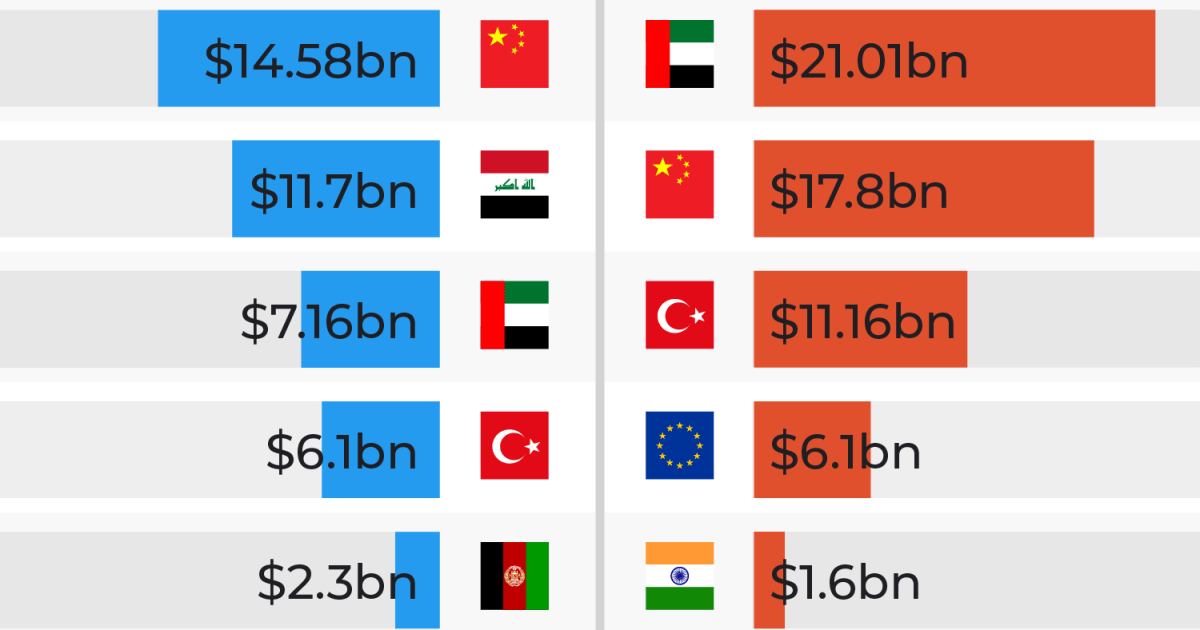
The United States has signaled its intention to deepen economic pressure on Iran through sanctions targeting its principal trading partners. Analysts say the approach aims to restrict Tehran's access to global markets and foreign currency earnings essential for its economy.
Iran maintains significant trade relationships across multiple regions. China, India and the United Arab Emirates rank among its largest trading partners, with bilateral commerce spanning oil exports, metals and manufactured goods. European nations, despite existing sanctions, also maintain limited commercial engagement with Tehran through sanctioned trade corridors.
Implementing such an isolation strategy would require Washington to either negotiate voluntary compliance from trading partners or impose secondary sanctions on entities conducting business with Iran. The approach faces practical challenges, as major economies maintain independent foreign policy interests and commercial incentives to preserve trade relationships.
The potential economic impact extends beyond Iran itself. Disruption to trade flows could affect global oil markets, regional stability, and the commercial interests of third countries. International responses to previous US sanctions campaigns against Iran have varied significantly, with some nations complying while others have sought workarounds to maintain limited trade engagement.