World · India Bureau
US Lake Restoration Milestone: Michigan Waterway Removed from Pollution Watchlist
Muskegon Lake in Michigan has been officially delisted from the US Environmental Protection Agency's Areas of Concern list after decades of intensive restoration work. The achievement represents a significant milestone in environmental remediation, with nearly $80 million invested to reverse decades of industrial pollution and habitat degradation.
LSN India ·
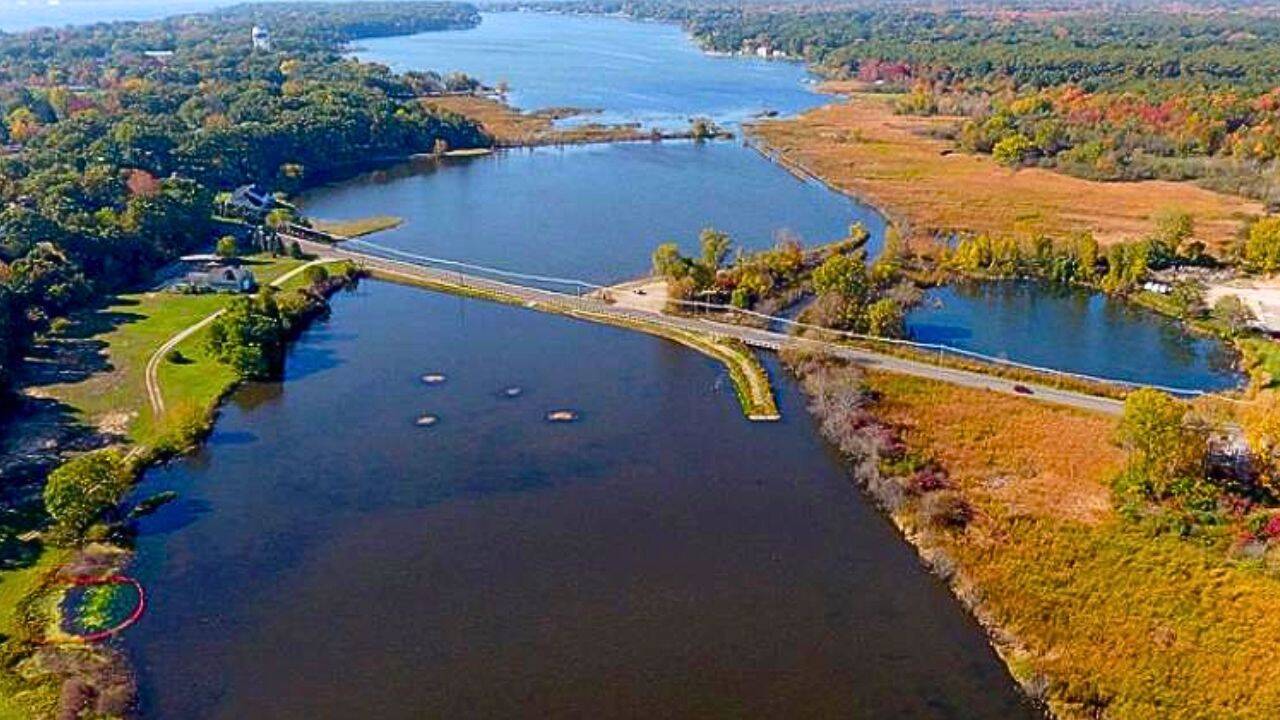
Muskegon Lake, located in Michigan, has reached a major environmental milestone with its official removal from the EPA's Areas of Concern designation, a classification reserved for heavily polluted water bodies requiring long-term restoration efforts. The delisting reflects the successful completion of extensive remediation work spanning several decades to address severe contamination that had accumulated from industrial and urban activities.
The restoration project involved the removal of approximately 347,350 tons of debris and 190,000 tons of contaminated soil from the lake and its surroundings. These massive cleanup operations addressed multiple environmental challenges including habitat degradation, soil pollution, and the hardening of natural shorelines that had disrupted ecosystems and prevented water quality recovery.
With approximately $80 million invested in the restoration initiative, teams successfully revitalized wetland habitats around the lake, creating conditions for fish and wildlife populations to flourish once again. The restored ecosystems now provide critical breeding grounds and food sources for various species, marking a significant turnaround from the degraded state the lake had experienced for many years.
Environmental officials view the delisting as validation of a comprehensive, long-term approach to water body restoration. The achievement demonstrates that sustained investment and coordinated remediation efforts can reverse severe environmental damage and restore degraded aquatic ecosystems to functional, healthy states that benefit both wildlife and surrounding communities.