Technology · World News Bureau
US maintains edge in AI investment while China narrows technological gap
The United States continues to dominate global artificial intelligence spending and computational resources, but China is rapidly closing the divide in advanced model development and research output, according to comparative analysis of the two nations' AI capabilities.
LSN World News ·
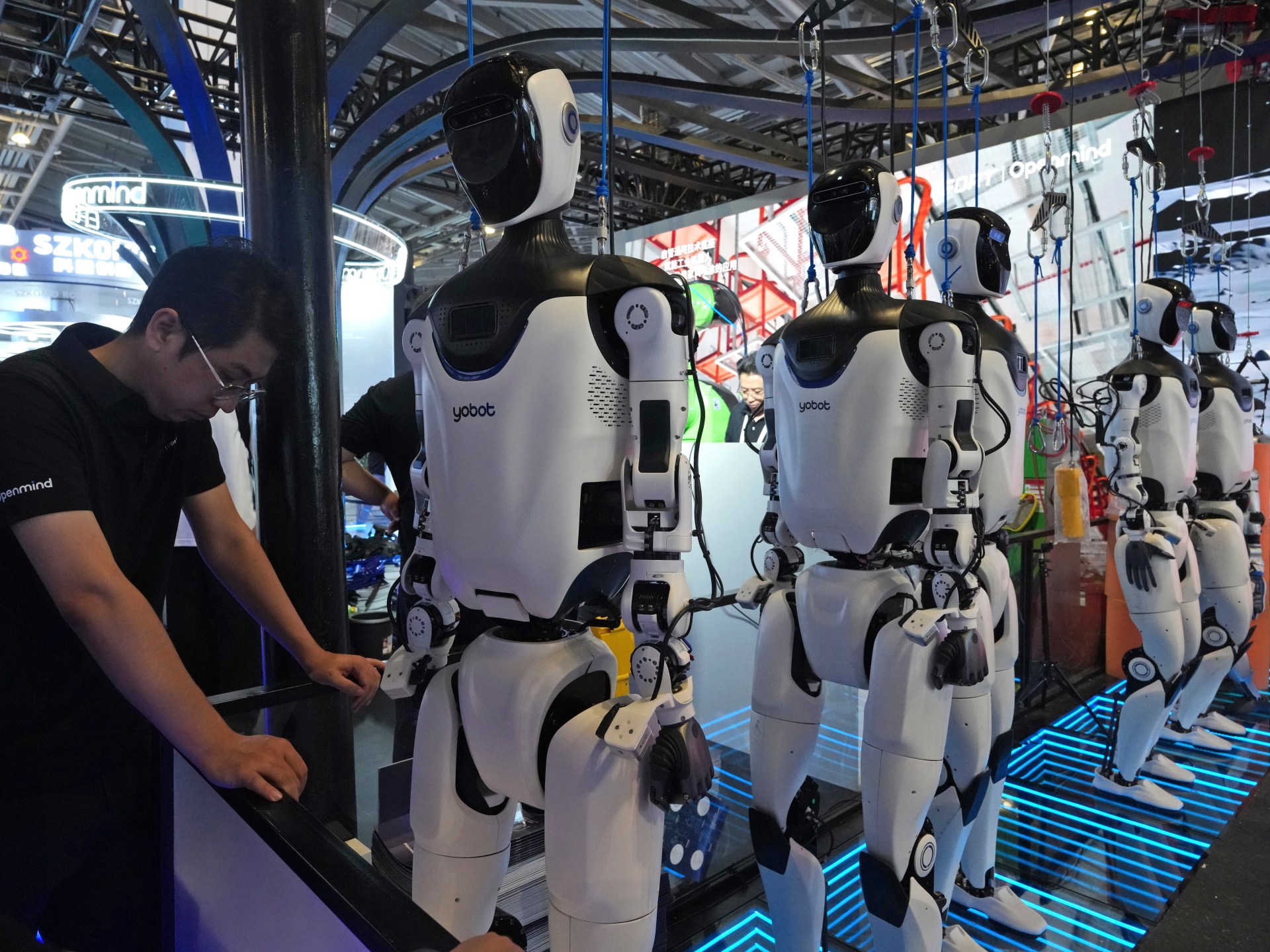
The United States retains substantial advantages in funding and infrastructure for artificial intelligence development, commanding significantly higher investment levels and access to computing power essential for training large-scale AI systems. American technology companies and research institutions have deployed greater financial resources toward AI research and commercialization efforts, establishing a lead in the capital-intensive aspects of the sector.
China has, however, emerged as a formidable competitor in other dimensions of the AI landscape. Chinese researchers have produced substantial research output in artificial intelligence, demonstrating depth of talent and scientific capability in theoretical foundations and emerging applications. This research prowess has translated into tangible progress in developing advanced AI models that compete increasingly with American counterparts.
The competitive dynamics between the two nations reflect divergent but overlapping strategies. While the United States leverages financial resources and private sector innovation, China has mobilized state-directed investment and academic resources to narrow technological gaps. Both nations recognize artificial intelligence as critical to future economic and security interests, intensifying competition across research, development, and application domains.
Analysts suggest the trajectory indicates sustained competition rather than decisive dominance, with each nation possessing distinct advantages. The ultimate outcome may depend not solely on current resource allocation but on sustained innovation capacity, talent retention, and the ability to translate research achievements into practical applications across commercial and strategic sectors.