World · World News Bureau
US Marine's arrest for murder revives long-standing tensions in Okinawa
The detention of an American serviceman accused of killing a local resident has reignited deep-seated grievances among Okinawans over the US military presence on the island. The incident underscores persistent friction between the local population and foreign forces stationed at bases across the prefecture.
LSN World News ·
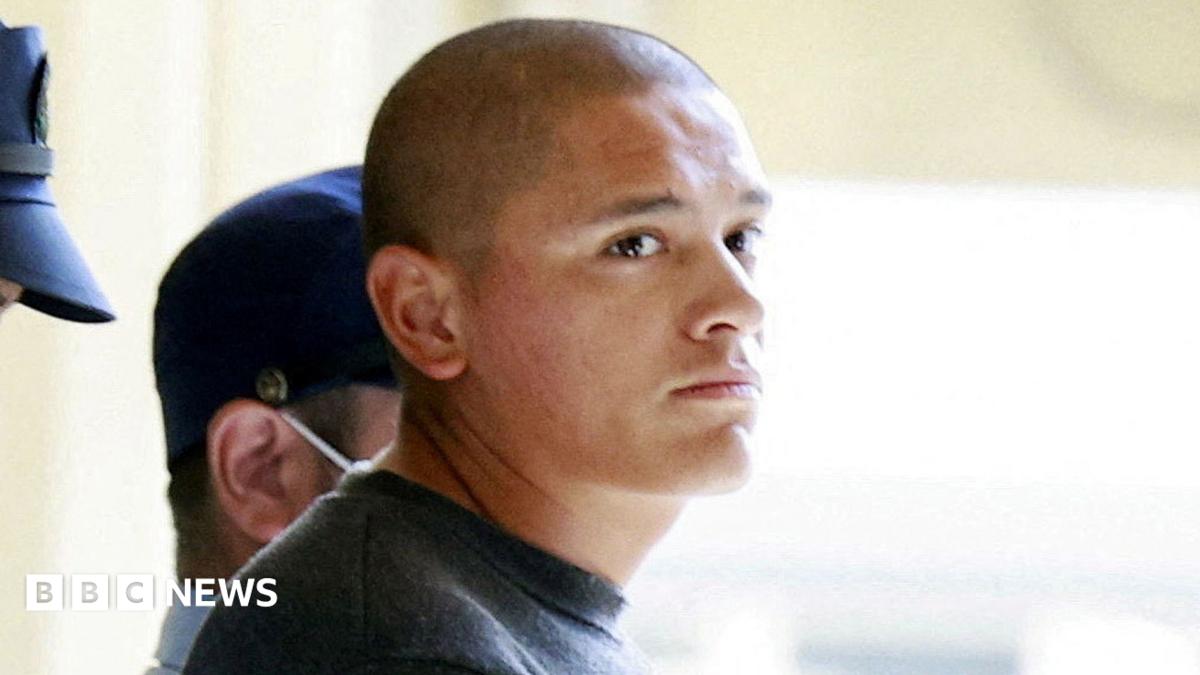
Okinawa faces renewed turmoil following the arrest of a US Marine on suspicion of murder, an incident that has reactivated longstanding resentment toward the American military footprint on the Japanese island. The arrest comes amid a complex history of friction between local residents and the thousands of US servicemen stationed at bases throughout the prefecture, a presence that has defined regional tensions for decades.
For many Okinawans, each such incident serves as a painful reminder of their complicated relationship with the strategic military installations that dominate their homeland. The island hosts major US military facilities, including Marine Corps Air Station Futenma, which remains a flashpoint in local politics and diplomacy. Residents have repeatedly expressed concerns about crime, safety, and environmental impacts associated with the military presence.
The arrest has mobilized community voices demanding greater accountability and consideration of Okinawan interests in discussions about the US military's future role on the island. Local officials and activists have called for stricter measures governing off-base conduct by servicemen and enhanced oversight of military operations. These calls reflect broader anxiety about sovereignty and security that has characterized Okinawan public discourse for generations.
The incident underscores the delicate balance Japan maintains as a key US ally while managing the expectations and grievances of residents in prefectures hosting significant American military infrastructure. Officials in Tokyo will likely face pressure to address concerns raised by local governments and civil society groups demanding greater protections for Okinawan communities.