Politics · India Bureau
US midterm elections could reshape Iran policy trajectory
A potential shift in American congressional power in 2026 could significantly alter US military and diplomatic approach toward Iran, analysts suggest. The outcome may impact regional stability across South and Southeast Asia through geopolitical ripple effects.
LSN India ·
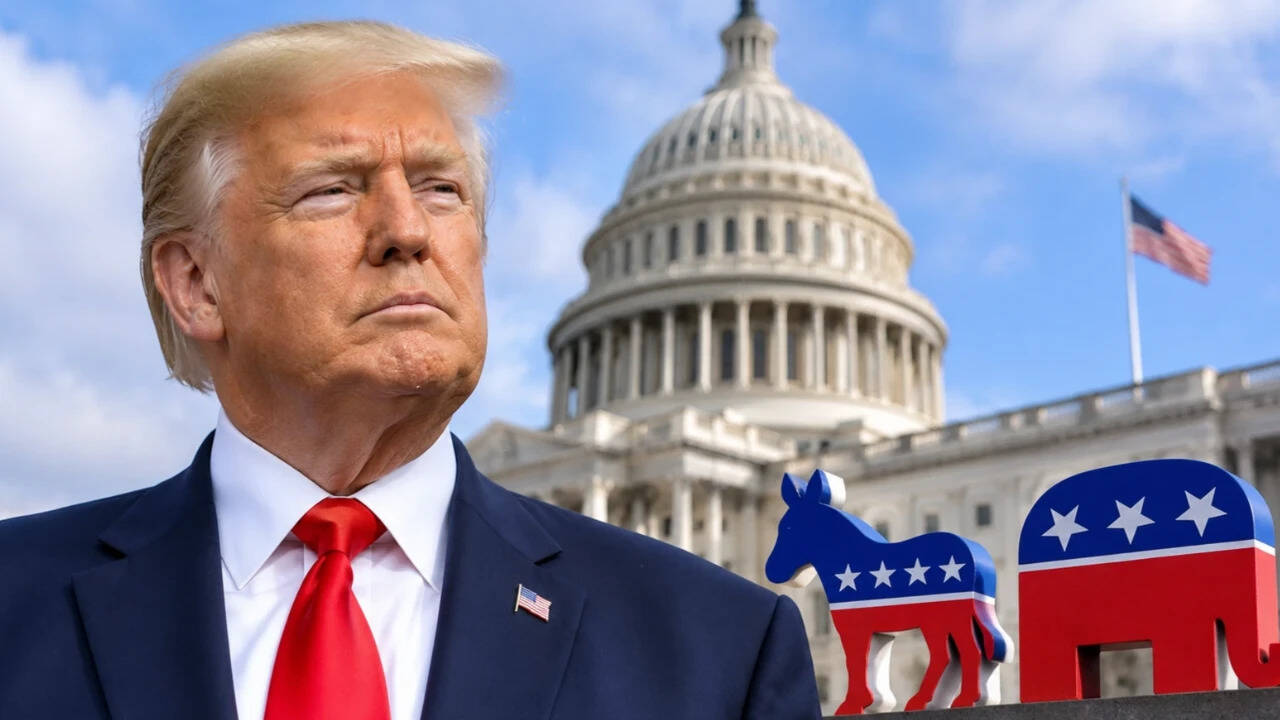
The 2026 US midterm elections are shaping up as a pivotal moment that could reshape Washington's Iran strategy, with implications extending across Asia. Political analysts point to growing divisions within Congress over military intervention and diplomatic engagement with Tehran, suggesting electoral outcomes may fundamentally alter the trajectory of US foreign policy in the region.
A Democratic-controlled Congress could potentially constrain aggressive military options and pivot toward diplomatic negotiations, reversing recent hardline approaches. Conversely, maintaining Republican dominance would likely perpetuate current Iran containment strategies. The balance of power will determine whether Congress imposes new checks on executive authority regarding military action or maintains the status quo.
For South and Southeast Asia, shifts in US-Iran relations carry significant weight. Tensions in the Persian Gulf directly influence global energy markets, oil prices, and regional security partnerships involving India and other nations. Changes to American Iran policy could also affect US military positioning and alliance structures across the Indian Ocean region.
Analysts emphasize that congressional voting patterns on Iran-related measures have increasingly fragmented along party lines. Defense spending priorities, military base deployments, and diplomatic funding allocations will all hinge on the 2026 results, creating uncertainty for regional partners dependent on US strategic commitments.