World · World News Bureau
US Midterm Elections Test Democracy's Self-Correcting Mechanisms
As Americans prepare for midterm voting, political analysts are examining whether democratic institutions can effectively address institutional failures and course-correct without systemic breakdown. The electoral cycle presents a critical opportunity to assess the resilience of democratic systems.
LSN World News ·
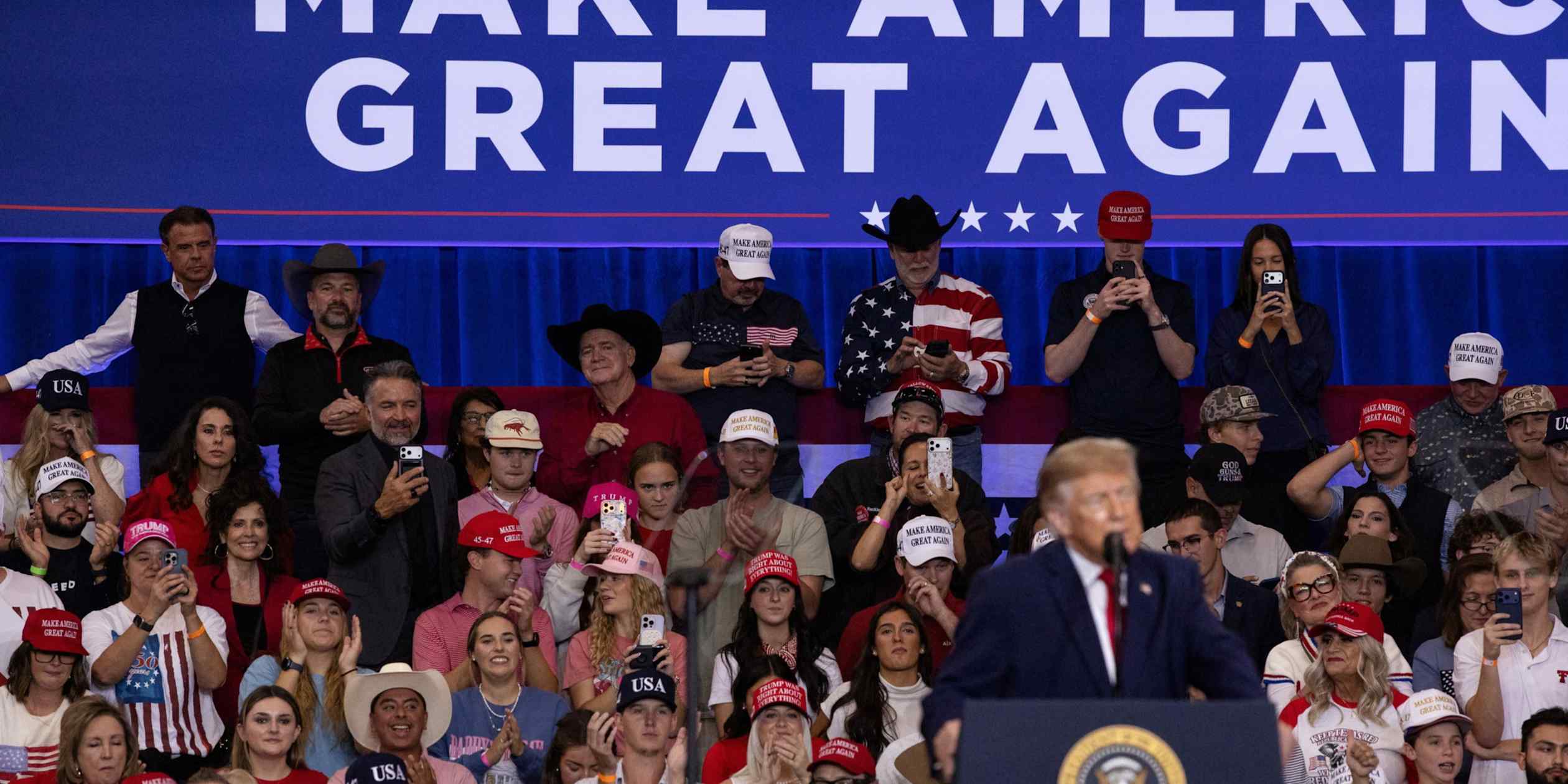
The upcoming US midterm elections represent more than a routine exercise in democratic participation—they constitute a crucial test of whether democratic systems possess adequate mechanisms to identify problems and implement corrective measures through institutional channels.
Political observers have increasingly focused on the capacity of democratic institutions to self-regulate and respond to public concerns. The midterms provide voters with an opportunity to hold elected officials accountable and redirect policy priorities, potentially signaling whether democratic safeguards function as intended when institutional performance falls short of public expectations.
The electoral process itself serves as a primary mechanism through which democracies attempt to correct course. By allowing voters to replace underperforming representatives and adjust the balance of power between branches of government, midterms offer a structural pathway for reform that does not require constitutional upheaval or extralegal intervention.
Analysts suggest that the outcomes of these elections will reveal whether existing democratic institutions retain sufficient legitimacy and effectiveness to command public confidence and facilitate meaningful policy adjustments. The electorate's response to current challenges will provide insights into whether voluntary participation in democratic processes remains a viable vehicle for achieving systemic change, or whether democratic institutions face deeper structural vulnerabilities.