Politics · Malaysia Bureau
US midterm results likely to reshape China policy trajectory
Democrats' retention of Senate control and Republican gains in the House will significantly influence how Washington approaches Beijing. The outcome suggests a more measured approach to China-related legislation compared to hardline Republican proposals.
LSN Malaysia ·
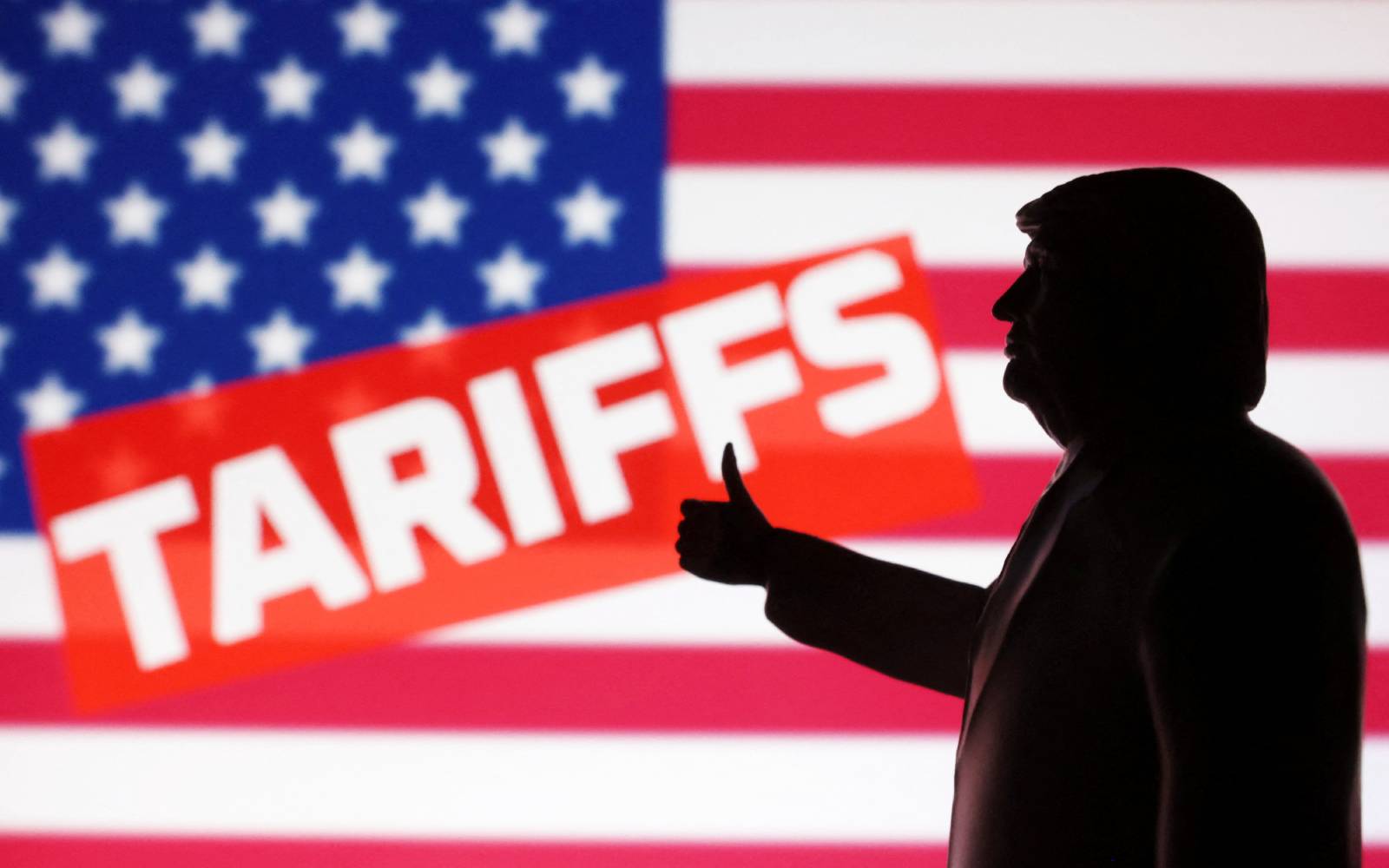
The outcome of the US midterm elections is poised to alter the bilateral relationship between Washington and Beijing, with implications extending across the Indo-Pacific region. A Democratic-controlled Senate is expected to resist sweeping protectionist measures against China that gained traction among Republican lawmakers, potentially moderating the pace of economic decoupling initiatives.
With Republicans securing control of the House of Representatives, negotiations on China policy will require compromise between the two chambers. Democratic dominance in the Senate provides a counterweight to more aggressive proposals, likely resulting in a more calibrated approach to tariffs, technology restrictions, and strategic competition with Beijing.
Beijing's calculus regarding engagement with Washington may also shift following the elections. The Chinese government is unlikely to fundamentally alter its foreign policy stance, but may recalibrate tactics based on the new congressional composition. A weakened Republican position could reduce incentives for dramatic policy shifts from Beijing in the near term.
For regional players including Malaysia, the implications are substantial. A less unified US position on China could affect technology partnerships, trade negotiations, and strategic alignments throughout Southeast Asia. Businesses and governments across the region will closely monitor how Washington's divided Congress approaches key issues including Taiwan, the South China Sea, and technology standards.