Politics · India Bureau
US Midterm Results May Reshape America's Iran Policy and Regional Dynamics
The outcome of America's midterm elections could significantly influence Washington's approach to Iran and its broader strategic interests across South and Southeast Asia. Political shifts in the US Congress may determine the trajectory of nuclear negotiations and sanctions policies affecting the region.
LSN India ·
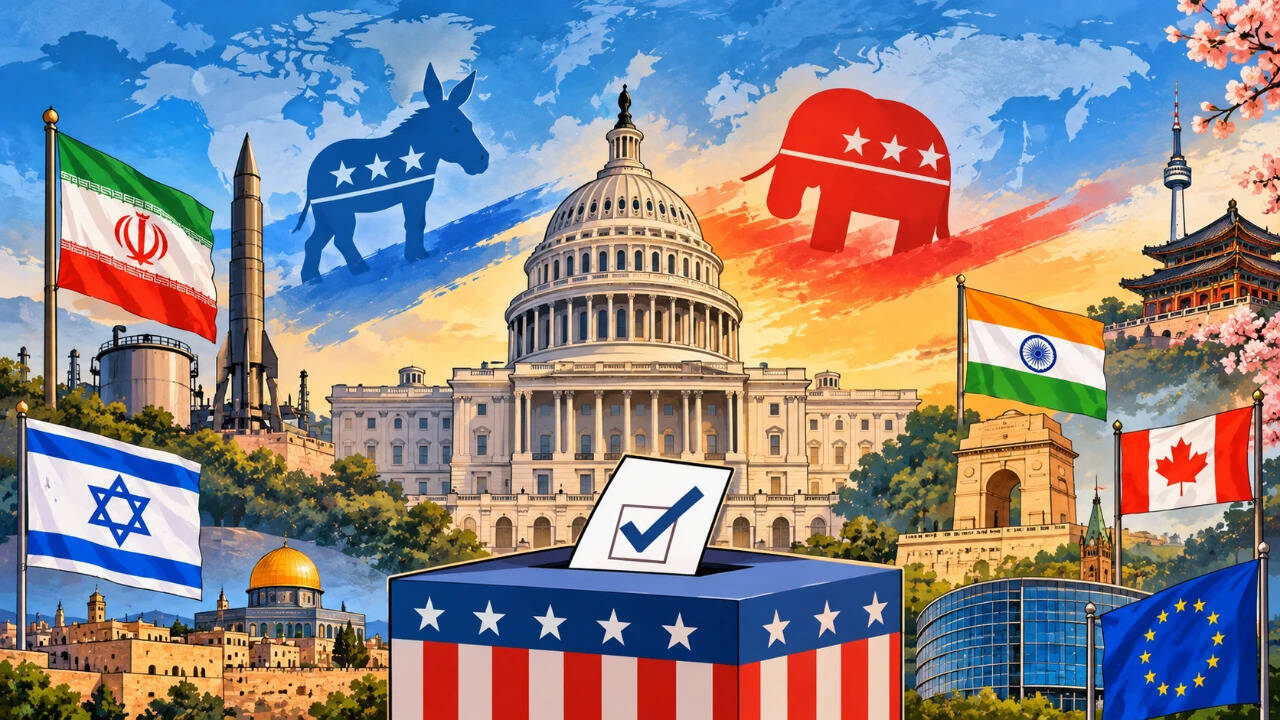
The midterm electoral results in the United States are expected to influence American foreign policy approaches, particularly regarding Iran and Middle Eastern geopolitics that have ripple effects across Asia. A shift in the political balance in Washington could reshape how the Biden administration—or a future Republican-controlled Congress—handles negotiations over Iran's nuclear programme and economic sanctions.
The outcome carries implications for India and other regional players monitoring US-Iran relations. New Delhi maintains a delicate diplomatic balance, engaging with both Washington and Tehran on trade, energy security, and strategic matters. Changes in American policy toward Iran directly impact India's energy imports, given Iran's historical significance as an oil supplier, and influence broader regional stability in the Middle East and Indian Ocean.
Different political outcomes in the US Congress could lead to divergent approaches: renewed engagement with Iran through diplomatic channels or a more hardline stance reinforcing existing sanctions regimes. These competing visions have substantial consequences for international commerce, sanctions compliance, and regional geopolitical alignments that Asian nations must navigate.
Policymakers across South and Southeast Asia are closely monitoring how shifts in American domestic politics translate into foreign policy adjustments. India, in particular, faces the challenge of adapting its strategic posture based on evolving US positions while maintaining its own strategic autonomy and regional interests.