World · World News Bureau
US military plans livestreamed execution, marking major shift in capital punishment
The Pentagon's decision to broadcast the execution of Fort Hood shooter Nidal Hasan represents a significant departure from nearly a century of closed-door capital punishment in the United States. Legal experts and observers question whether the move reflects genuine public sentiment or represents an anomalous policy decision.
LSN World News ·
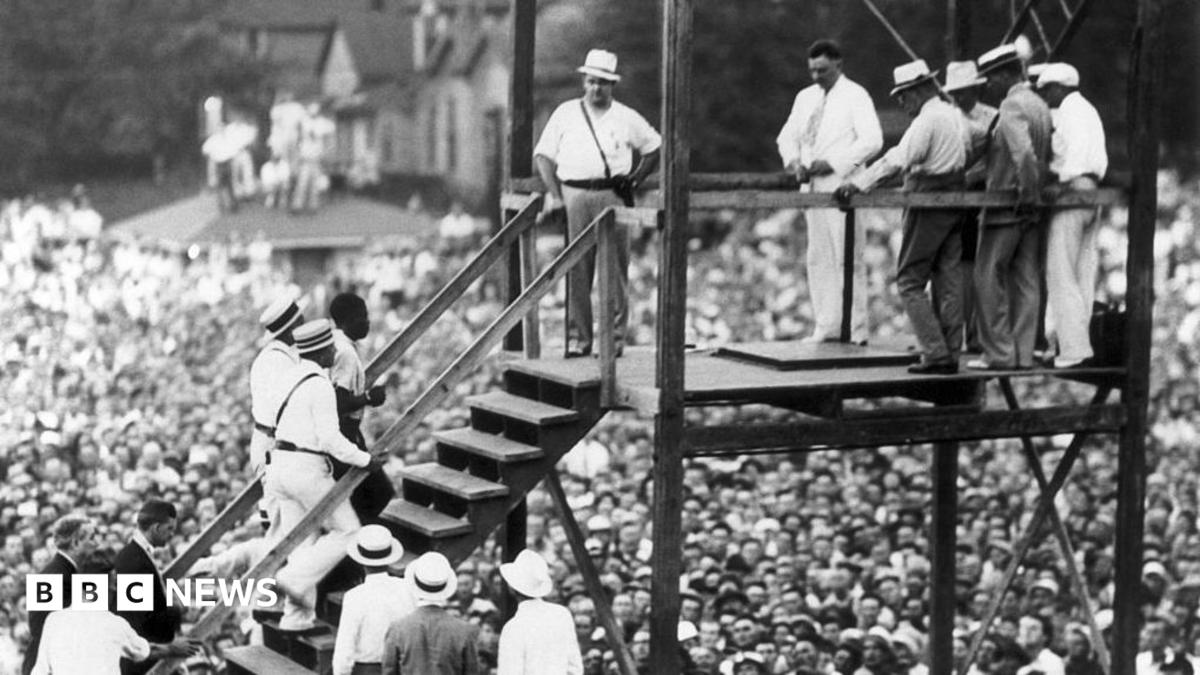
The US military's announcement that it will livestream the execution of Nidal Hasan, the former Army psychiatrist convicted of killing 13 people at Fort Hood in 2009, marks a striking reversal in American capital punishment practices. Public executions have been largely absent from the US justice system since the 1930s, when they fell out of favor due to concerns about their brutalizing effects on society and questions about their deterrent value.
The decision to broadcast Hasan's execution represents an unusual step for a country that has progressively moved toward more private, sanitized forms of capital punishment. Military officials have framed the livestream as a matter of transparency and accountability, suggesting it would allow the public to witness the carrying out of a sentence without requiring physical attendance at the execution site.
However, legal scholars and criminal justice experts have raised concerns about the Pentagon's interpretation of public opinion and constitutional principles. Critics argue that streaming an execution does not represent genuine public participation in the justice system but rather transforms capital punishment into a form of mediated spectacle. Some observers worry the move could normalize execution as entertainment rather than reserve it as a serious state sanction.
The reinstitution of publicly witnessed executions also comes amid ongoing national debate over capital punishment itself. Several US states have abolished the death penalty in recent years, while others have struggled to obtain lethal injection drugs due to pharmaceutical companies' refusal to supply them. The military's decision to proceed with a livestreamed execution thus occurs within a broader context of declining public support for capital punishment across much of the country.