World · India Bureau
US Muslim Senator Credits Indian Heritage as Key to Identity
Abdul El-Sayed, America's first Muslim U.S. Senator, has emphasized his deep connection to Indian culture and values, describing himself as more influenced by his South Asian roots than his Arab ancestry. The Michigan politician's remarks highlight the diverse backgrounds shaping the next generation of American political leadership.
LSN India ·
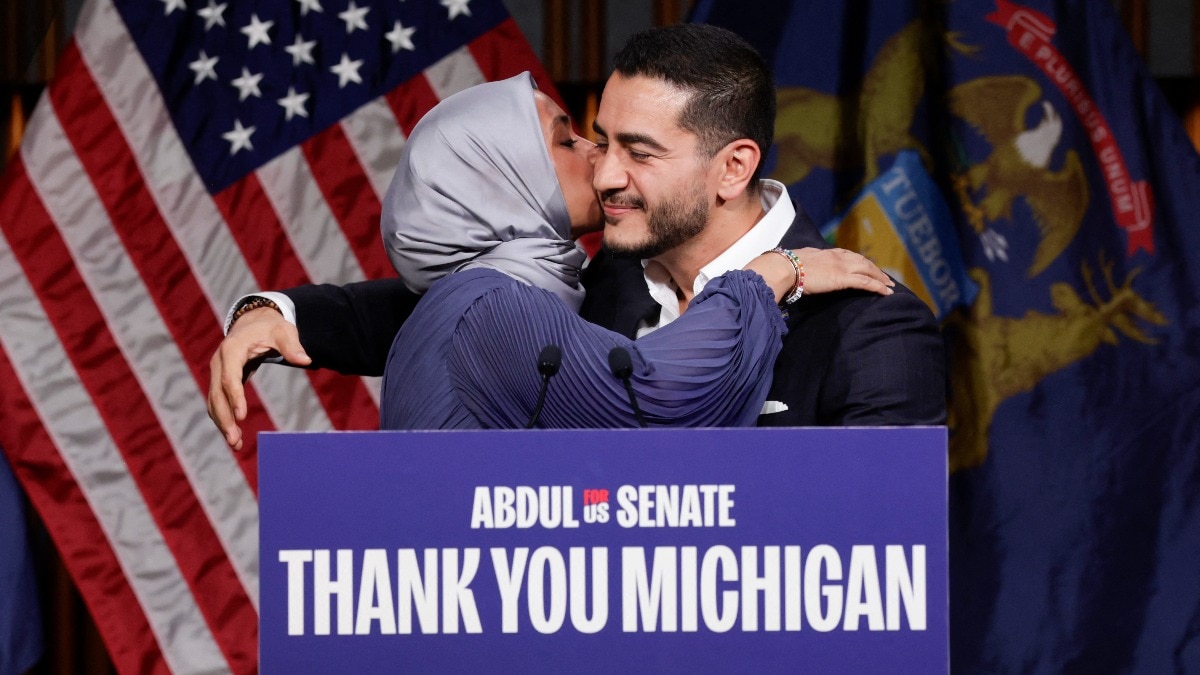
Abdul El-Sayed's ascent to the U.S. Senate marks a historic milestone for Muslim representation in American politics. The senator has consistently articulated how his Indian heritage has fundamentally shaped his worldview, personal values, and approach to public service, distinguishing his identity from the broader Arab-American narrative often associated with Muslims in the Western hemisphere.
El-Sayed's family background reflects the complex tapestry of modern America. His parents, both physicians, brought with them the cultural traditions and ethical frameworks rooted in South Asia, which El-Sayed credits as instrumental in his development. He has spoken about how Indian philosophical traditions, family structures, and community values have been more influential in his life than his Arab lineage, a distinction that underscores the evolving identity of second-generation Muslim Americans.
The senator's emphasis on his Indian connection resonates with a growing demographic of Indian-Americans in politics and public life across the United States. His commentary reflects broader conversations within diaspora communities about how immigrants and their descendants navigate multiple cultural identities while building American futures.
El-Sayed's political career has centered on issues affecting working families, healthcare access, and economic justice—concerns he has framed through the lens of inclusive governance that reflects America's multicultural reality. His prominence signals shifting demographics in American political representation and the increasing visibility of South Asian voices in national discourse.