Business · Singapore Bureau
US naval blockade chokes Iran oil exports through key shipping strait
Iran has suspended meaningful crude shipments through the Strait of Hormuz for seven weeks, marking an unprecedented disruption to Tehran's petroleum trade. The US naval presence has achieved what international sanctions could not by severely limiting one of Iran's primary revenue sources.
LSN Singapore ·
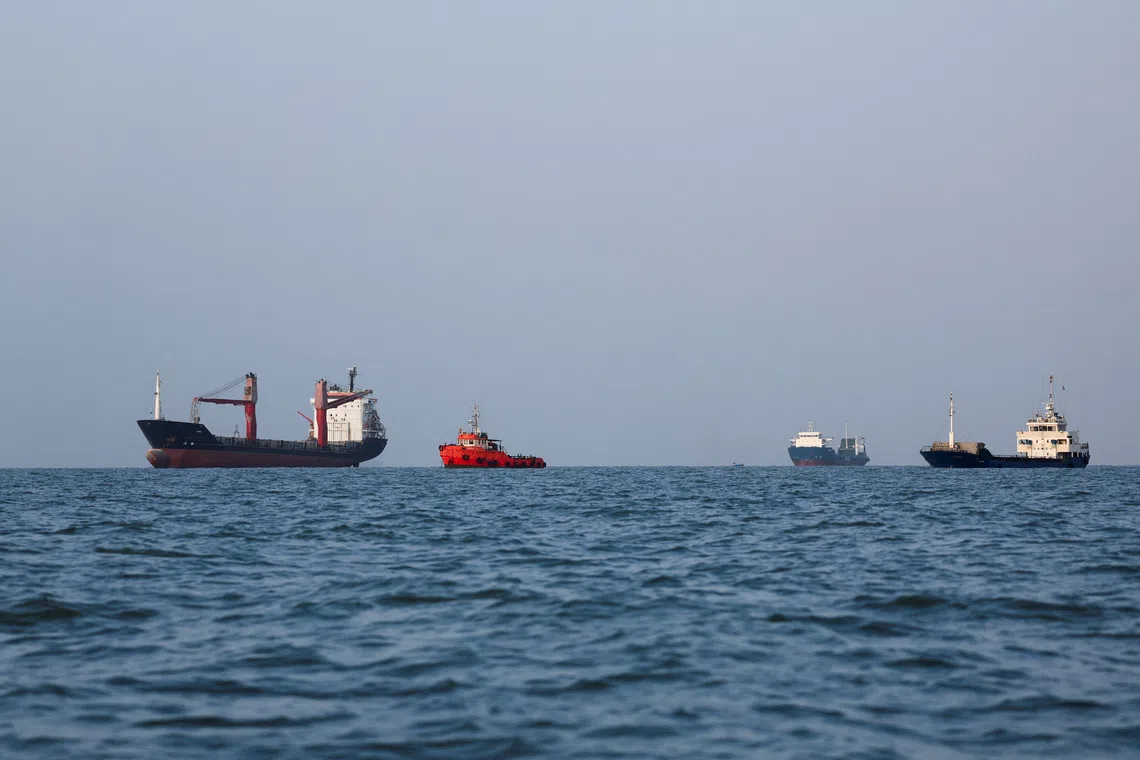
Iran's crude oil exports have ground to a near halt through the Strait of Hormuz, with shipments remaining virtually stalled for approximately seven weeks—a first in recorded history. The blockade represents a significant escalation in pressure on Tehran's economy, particularly its vital energy sector, which generates substantial foreign currency earnings.
The effectiveness of the naval blockade contrasts sharply with the limited impact of economic sanctions imposed over previous years. Despite successive rounds of international restrictions targeting Iranian financial institutions and trade partnerships, Tehran had maintained modest export capabilities. The military presence now in place has proven more disruptive than diplomatic and financial measures combined.
The Strait of Hormuz, a critical waterway linking the Persian Gulf to the Arabian Sea, handles a substantial portion of global seaborne oil trade. The blockade's impact extends beyond Iran, affecting regional markets and international energy prices as shipping through one of the world's most strategically important maritime chokepoints faces severe constraints.
The move represents an intensification of pressure tactics against Iran at a time of heightened regional tensions. Energy analysts warn that the prolonged suspension of Iranian crude exports could have broader implications for global oil markets and the economies of nations dependent on Middle Eastern petroleum supplies.