World · World News Bureau
US Navy carrier deployment shift leaves Asia-Pacific gap amid tensions
The absence of a US aircraft carrier in the Asia-Pacific region has widened as American naval assets remain committed to Middle East operations, potentially affecting regional stability and US military posture in one of the world's most strategically important areas.
LSN World News ·
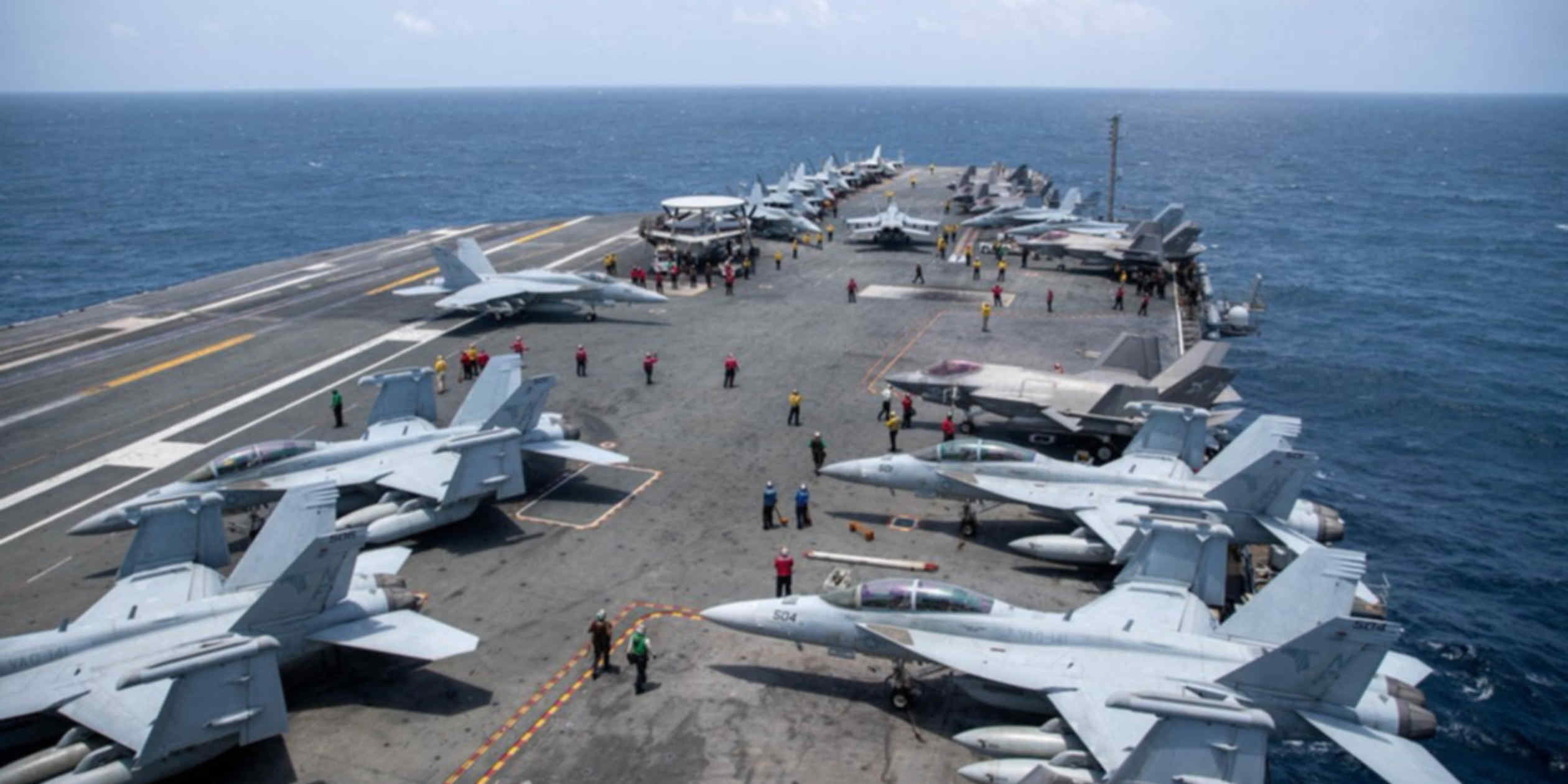
The United States currently has no aircraft carrier stationed in the Asia-Pacific region, marking a notable shift in military deployments as the US Navy maintains carrier strike group operations in the Middle East. The operational tempo in the Persian Gulf and surrounding waters has extended carrier rotations beyond typical schedules, creating a temporary void in the Pacific region that traditionally hosts continuous American carrier presence.
The deployment of carrier strike groups is among the most visible assertions of US military power in global waters. Asia-Pacific nations, particularly those engaged in contested maritime disputes or seeking reassurance from Washington, have historically relied on the regular presence of American carriers to demonstrate US commitment to regional security and freedom of navigation operations.
US Navy officials have indicated that the carrier absence is temporary and part of normal deployment rotations, with additional carriers expected to return to the region in coming months. The service has faced increasing pressure to maintain simultaneous operations across multiple regions while managing maintenance schedules and personnel rotations across its fleet.
The gap in carrier presence underscores broader challenges the US military faces in simultaneously addressing multiple global hotspots while maintaining the operational presence allies across the Indo-Pacific region have come to expect. Regional analysts are monitoring whether the temporary absence signals any shift in American strategic priorities toward the Middle East at the expense of long-term Asia-Pacific engagement.