World · India Bureau
US nuclear test aimed at boosting gas production left radioactive legacy
The United States detonated a 29-kiloton nuclear device underground in New Mexico in 1967 as part of an experiment to increase natural gas production. The controversial project yielded 213 million cubic feet of gas, but the fuel was contaminated with radioactivity.
LSN India ·
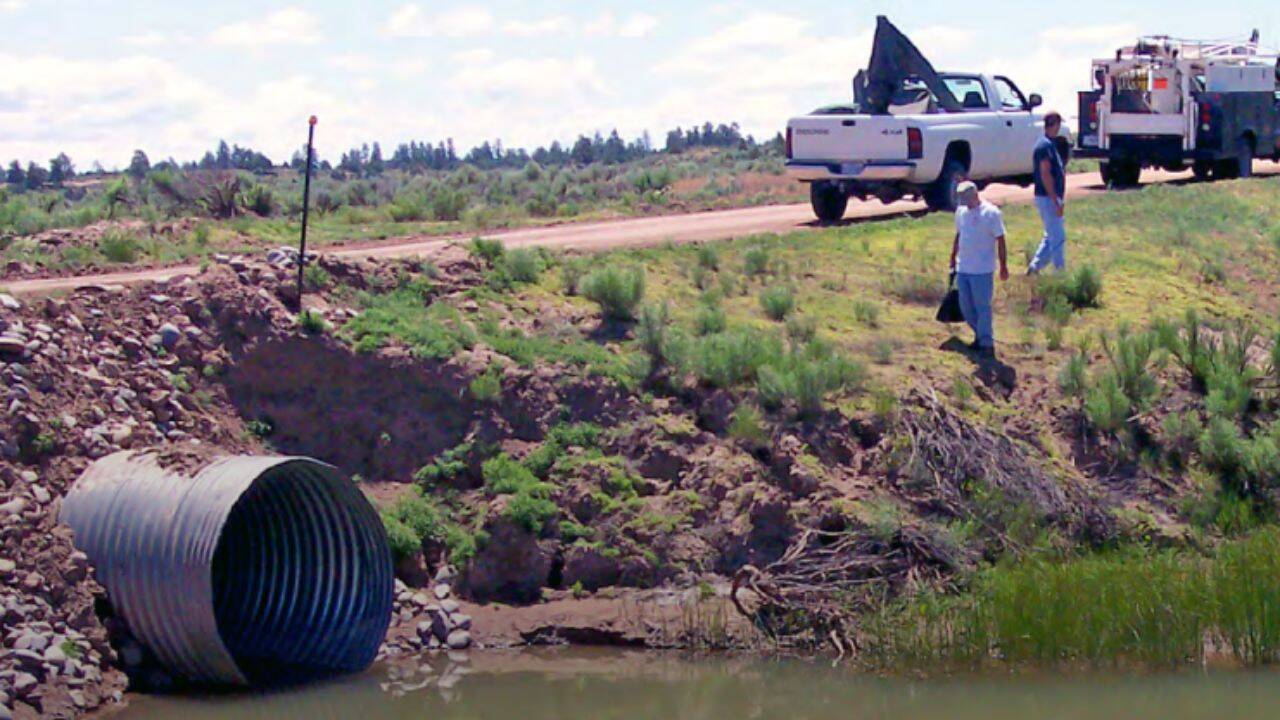
In a bold Cold War-era experiment, the US government detonated a nuclear bomb 4,227 feet below the surface of New Mexico in 1967 to stimulate natural gas extraction. The 29-kiloton device was part of an experimental programme designed to unlock additional natural gas reserves through controlled nuclear detonation, a technique known as "nuclear stimulation."
The programme conducted five tests in total, successfully producing 213 million cubic feet of natural gas. However, a critical flaw emerged: the extracted gas contained measurable levels of radioactivity, rendering it unsuitable for commercial use and raising significant health and safety concerns.
Facilities at the test site were subsequently decommissioned and efforts were made to clean up the contaminated area. Despite remediation work, radioactive material remains embedded underground in the blast zone, where it continues to pose potential environmental risks.
The experiment reflected the technological optimism and experimental mindset of the 1960s nuclear age. Today, the legacy of the project serves as a cautionary example of the unintended consequences of unconventional energy extraction methods, and the long-term environmental challenges posed by nuclear contamination.